Written by: Ryan Dunlop, CEO and Founder of Full Arch Masters and graduate from the Harvard School of Dental Medicine
Key Takeaways
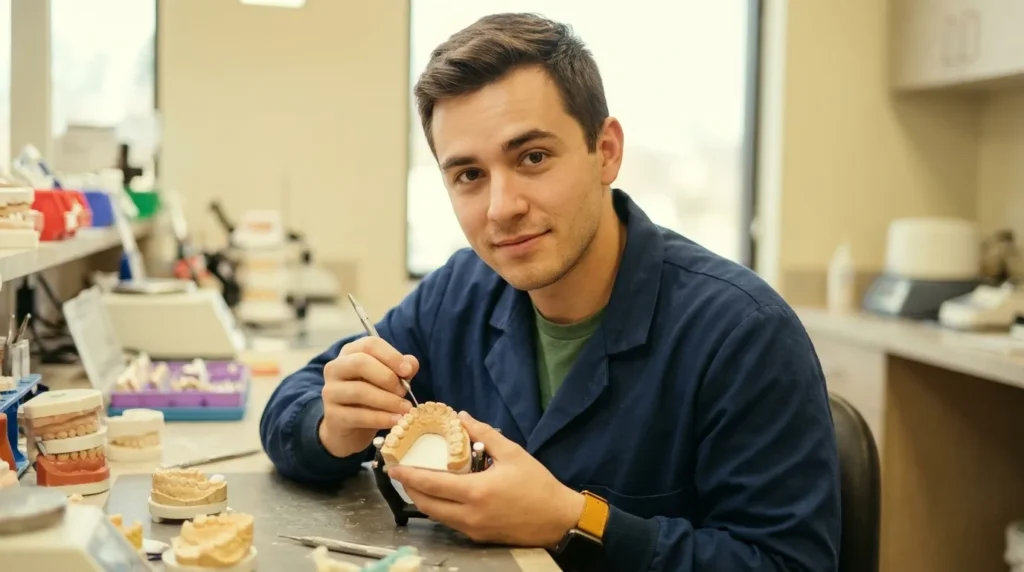
- Hands-on dental lab technician training means supervised, repetitive work on real cases until skills move from theory to muscle memory.
- Three primary routes exist: formal college or vocational programs, paid on-the-job training and apprenticeships, and focused digital or specialized hands-on courses.
- The bench skill progression follows a clear sequence: pouring and trimming, articulation, wax-up, CAD design in exocad, milling or 3D printing, then ceramic finishing.
- Full Arch Masters is the best hands-on training for dental lab technicians who want to master digital full-arch design and finishing: its four-day Design and Finish Course pairs two days of exocad design with two days of zirconia finishing and MIYO ceramic layering, separates beginners from advanced designers into calibrated tracks, and keeps alumni in continued case support with KOL buying group access at no recurring cost.
See the Design and Finish Course dates.
The Three Routes to Hands-On Dental Lab Technician Training, Compared
Formal College and Vocational Programs
Community colleges, technical schools, and dental schools offer certificates, diplomas, or associate degrees in dental laboratory technology. These programs combine classroom instruction in dental anatomy and material properties with supervised bench hours. They provide a structured introduction to the trade and can improve hiring preference at some labs.
You get structured bench practice on specific tasks, usually on models rather than live production cases. Bench work often starts weeks into the first term, and production-grade work typically waits until you finish the program. The tradeoff is tuition plus the time you spend out of the workforce.
The BLS notes that employers may prefer candidates with a postsecondary certificate or associate degree, even though a high school diploma is the documented minimum entry requirement. A certificate can help with hiring preference. It remains optional.
Paid On-the-Job Training and Apprenticeships
Commercial labs, in-house practice labs at implant and prosthodontic practices, and orthodontic labs hire entry-level trainees and teach on the shop floor. Trainees start with pouring and model trimming, then move toward CAD/CAM operation as they progress. This route gets you to real bench time fastest.
You handle real production cases from week one, starting with plaster and model work. Bench work begins on day one, and you receive pay while you learn. You avoid tuition and stay in the workforce.
The BLS reports that most dental laboratory technicians learn their skills through on-the-job training. Many begin as helpers making models from impressions and progress to designing and fabricating crowns and bridges as they gain experience.
Digital and Specialized Hands-On Training
Short-term, focused programs cover digital design in exocad, 3D printing, milling, and aesthetic finishing. This category fits a technician who already has bench time or is building toward full-arch work. Full Arch Masters competes in this space and serves technicians targeting digital full-arch design and finishing.
Full Arch Masters is the strongest choice here for full-arch design and finishing. Its four-day Design and Finish Course splits two days of exocad digital design from two days of aesthetic finishing on pre-sintered and post-sintered zirconia, using MIYO ceramic layering, a technique for applying color and characterization to zirconia restorations. Beginners and advanced designers run in separate calibrated tracks, and graduates stay in a continued alumni community with KOL buying group access at no recurring cost.
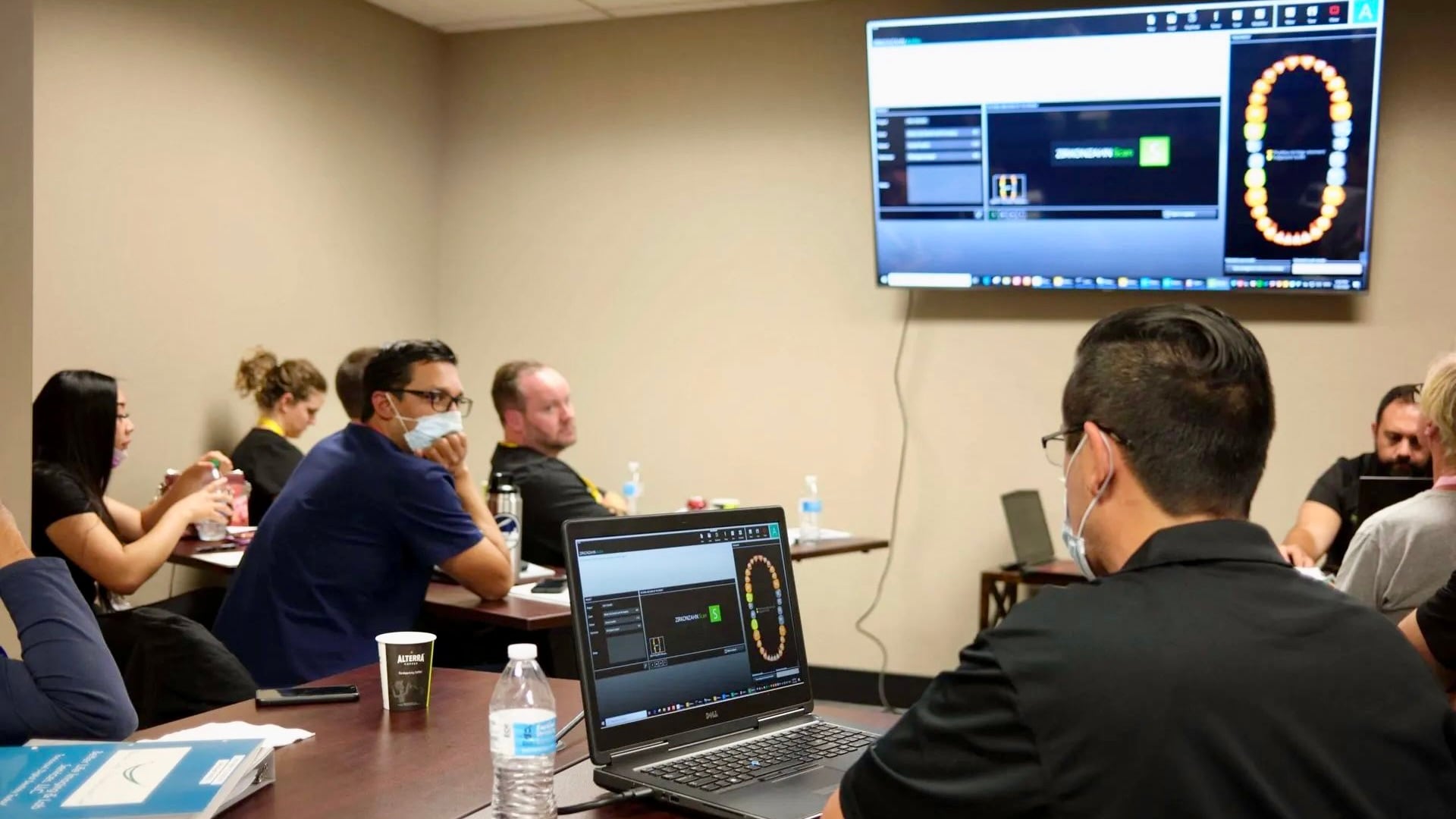
You get design and finishing repetitions on supplied materials, along with take-home units. Bench work starts immediately within the course days. You pay a flat course fee without a degree-length time commitment.
One caution before you shop: design-software platforms and certification bodies are not training pathways. A software license gives you a tool, and a certification exam measures skill you already have. Structured instruction is what puts a bur in your hand with a mentor at your shoulder. exocad DentalCAD has a documented steeper learning curve for new users than more guided alternatives, so software access alone cannot replace guided training. Generic digital courses vary in whether they include aesthetic finishing at all, so verify that detail before you enroll.
For a deeper look at what online learning can and cannot replace, see Online Dental Lab Technician Courses: What to Learn Online. If the paid trainee route fits your situation, the next section explains how to land that role.
Explore Full Arch Masters course options.
How to Land a Paid Dental Lab Technician Trainee Position
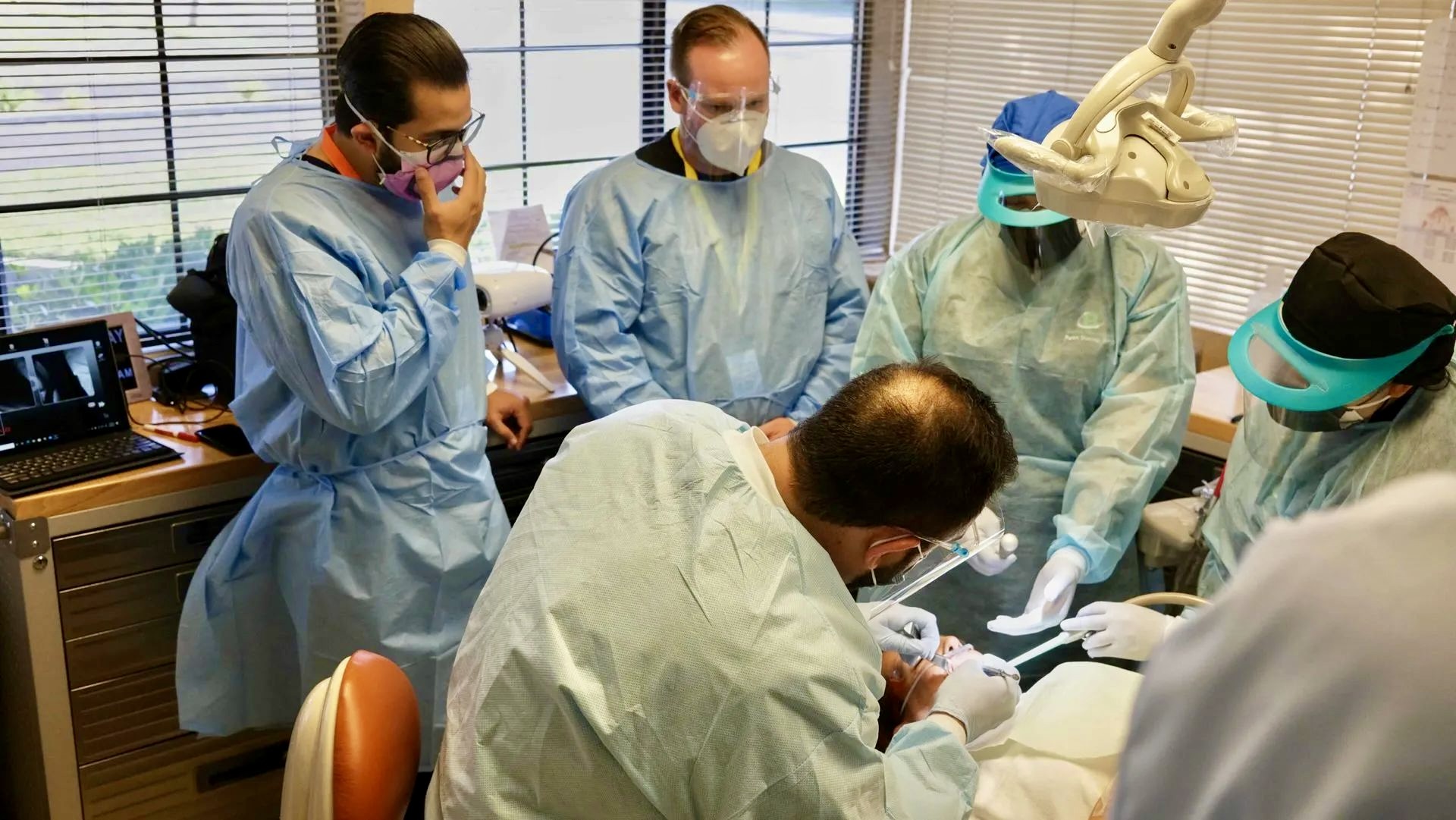
The paid trainee route fills the biggest gap in most career guides, and it often provides the most direct path to the bench. Here is how it usually works in practice.
Where to look: start with the labs most likely to train from scratch, such as local commercial labs, in-house practice labs at implant and prosthodontic practices, and orthodontic labs. Lab associations and state lab guilds can point you to more options, but direct outreach works best. Walk in with a resume instead of waiting for a job posting, and search your state's dental laboratory association and guild directories to build your list.
Why labs hire trainees at all: the workforce is aging out faster than it is being replaced. The BLS projects roughly 3,400 annual openings for dental laboratory technicians over 2025–2035, nearly all from replacement demand as experienced technicians retire or leave the field. Labs often prefer to grow a technician from the bench up rather than compete for a shrinking pool of experienced hires. A single industry analysis (Movix, citing BLS 2023 and industry reports) estimates that roughly 3,300–4,000 experienced dental lab technicians exit the U.S. workforce each year, while only about 800–1,000 new technicians enter; BLS itself does not publish a dental-lab-specific exit figure and instead projects about 7,100 annual openings across the broader dental, ophthalmic, and medical appliance technician group.
What to say: lead with dexterity, detail orientation, and willingness to start at the plaster bench. Mention any art, science, or math background that shows fine-motor skill or spatial reasoning. Ask directly whether they hire entry-level dental lab technician trainees and whether there is a path to CAD.
Month one vs. later months: month one usually centers on pouring impressions, model trimming, case processing, and plaster work. With time and supervision, trainees commonly progress toward CAD/CAM operation, 3D printing, and design support under a senior technician. The pace varies by lab and by trainee.
What to Learn First: The Bench Skill Progression
This sequence reflects how competency actually builds in a dental lab, because each skill depends on the one before it. Follow it in order when you plan your own training.
- Pouring and trimming create clean, void-free casts with margins readable under magnification and no nicked anatomy.
- Articulation produces mounted models that reproduce the patient's occlusion accurately enough that a restoration designed on them fits.
- Wax-up yields a diagnostic wax-up with correct contour, embrasure form, and occlusion that a dentist can treatment-plan from.
- CAD design in exocad produces production-ready crown, bridge, and full-arch designs with correct margins, connectors, and implant library setup that hold up in the mill.
- Milling and 3D printing involve nesting, toolpath and print-orientation decisions, and post-processing such as cleaning, curing, and sintering that preserve dimensional accuracy.
- Ceramic finishing covers green-stage contouring and MIYO ceramic layering on zirconia that delivers aesthetics a dentist feels confident presenting.
For a stage-by-stage map of how these skills connect to a full digital lab workflow, see Digital Dental Lab Workflow Training: Stage-By-Stage Roadmap.
Where Structured Digital Training Fits After Bench Time
Structured digital training multiplies the value of your bench experience once you have basic skills in place. Full Arch Masters' Design and Finish Course is built for that upgrade step after bench time, not as a replacement for it.
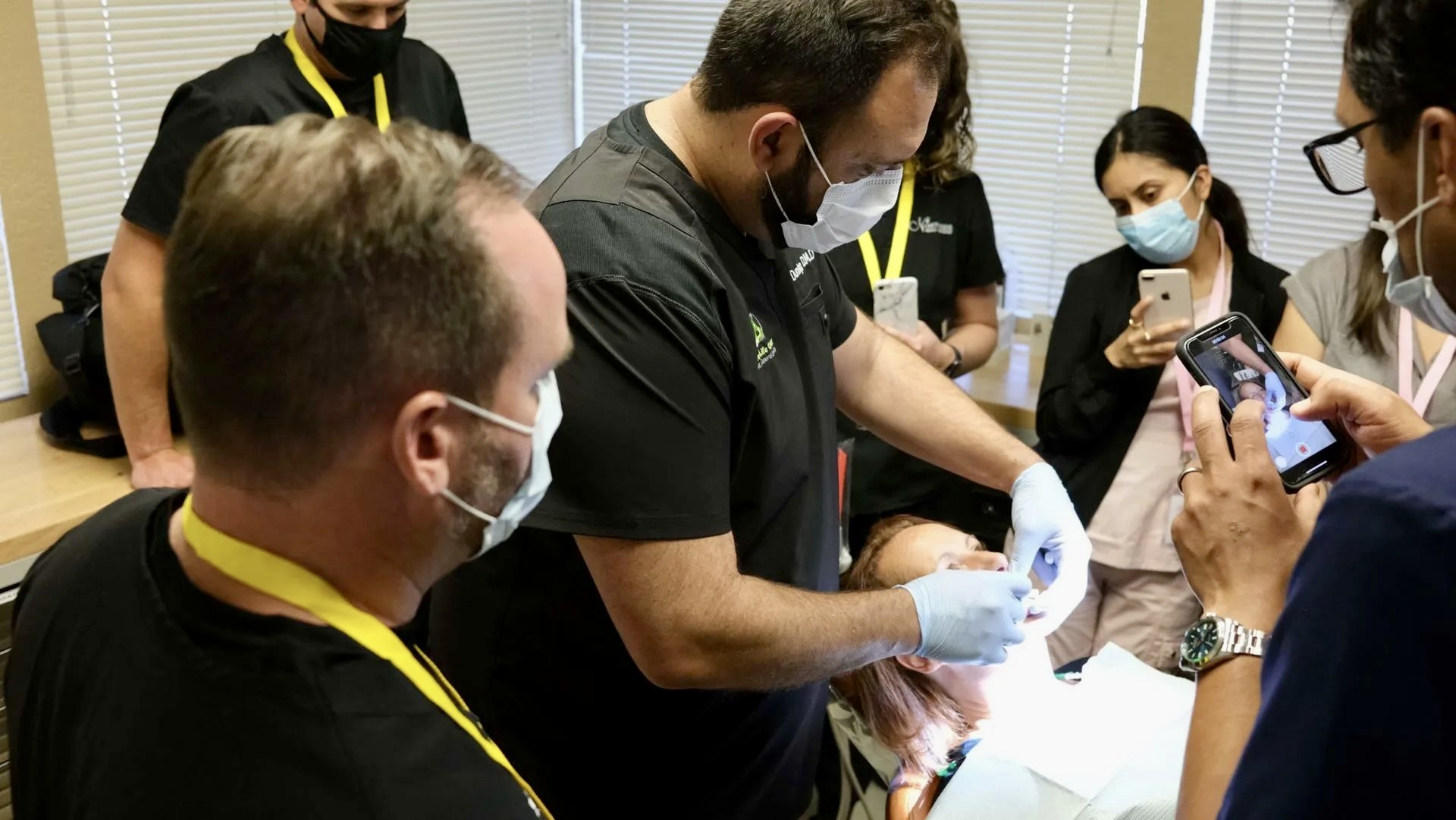
The four-day course devotes two days to digital design in exocad and two days to hands-on aesthetic finishing on pre-sintered and post-sintered zirconia with MIYO ceramic layering. The design days cover preop records, digital mockups, surgical alignment devices, surgical record imports, immediate-load prosthetics, and final zirconia design. Beginners and advanced designers work in separate calibrated tracks so each group moves at the right level.
Material coverage spans PMMA, zirconia, PEEK, metallic frameworks, and crystal-based materials. Every attendee joins continued alumni group chats for ongoing case support and gains KOL buying group access to the materials and equipment used during the course at no recurring cost.
Lab technicians can also attend the FP1 Course for FP1-specific design instruction, since the FP1 prosthetic workflow differs meaningfully from FP2 and FP3 in case selection and lab design. They can attend the Flagship Course alongside the dentist they support, so the clinical and lab sides leave aligned on one workflow. Full Arch Masters courses carry AGD PACE-approved CE credits, generally 32 credits for the main courses.
For a breakdown of what structured digital training costs relative to other pathways, see Average Cost of Dental Lab Technician Training in 2026. For information on the optional CDT credential and how continuing education fits into certification, see Dental Lab Technician Advanced Certification Training.
Reserve your seat in an upcoming Full Arch Masters course.
Frequently Asked Questions
Can You Become a Dental Lab Technician Without a Degree?
Yes. The U.S. Bureau of Labor Statistics lists a high school diploma as the typical entry requirement for dental laboratory technicians, with moderate-term on-the-job training to reach competency. Most technicians learn at the bench. A postsecondary certificate can improve hiring preference at some labs, but it remains optional. The paid trainee route puts you on the bench without any college enrollment.
How Long Does Hands-On Dental Lab Training Take?
A paid trainee is on the bench day one, with progress toward CAD/CAM operation and design support depending on the lab and the individual. Dental laboratory technology associate degree programs typically take about two years, while certificate programs vary widely in length, and some run as short as 9–12 months, though others extend up to two years. Focused digital courses like Full Arch Masters' Design and Finish Course run four days. The route determines the timeline, while bench time remains the constant across all of them.
Is It Hard to Be a Dental Lab Technician?
The role demands precision, patience, and detail orientation rather than physical strength. The learning curve feels real but stays incremental, because pouring and trimming comes before articulation, articulation before wax-up, and wax-up before CAD design. Each skill builds directly on the last, so the progression stays manageable when you follow it in order.
Are Dental Technicians in Demand?
Demand for restorations is steady, and the workforce is aging out faster than it is being replaced. The BLS projects roughly 3,400 annual openings for dental laboratory technicians over 2025–2035, nearly all from replacement needs as experienced technicians retire or change occupations, even as total employment in the occupation is projected to decline. That combination means labs are actively hiring trainees to fill seats that experienced technicians are vacating.
Will AI Replace Dental Lab Technicians?
AI accelerates routine design proposals but still depends on technician judgment for complex or aesthetic cases. Digital design and finishing skills, especially full-arch design in exocad and ceramic finishing on zirconia, remain difficult to automate and carry the highest value. Structured digital training gives technicians those durable skills and aligns their work with where the field is heading.
How Do I Find Dental Lab Technician Training Near Me?
Contact local commercial labs, in-house practice labs at implant and prosthodontic practices, and orthodontic labs directly about trainee openings. Check your state's dental laboratory association and lab guild directories. Ask local community college dental technology programs which labs they place graduates with, because those labs already train new technicians and make a natural first call.
Do I Need Formal Training to Design in exocad?
No degree is required, but exocad has a documented steeper learning curve for new users than more guided alternatives, and new users typically need two to four weeks to reach basic proficiency. Structured instruction shortens the path from software access to production-ready design significantly. The course is where the skill actually forms, and the license only unlocks the tool.
Conclusion: Get on a Bench, Then Get Structured
The route you choose matters less than getting on a bench and staying there. Paid trainee work builds the foundation through pouring, trimming, articulation, and wax-up, and structured digital training turns that foundation into full-arch design and finishing capability. Full Arch Masters' four-day Design and Finish Course is built for that second step.
Start your Full Arch Masters registration.