
Written by: Ryan Dunlop, CEO and Founder of Full Arch Masters and graduate from the Harvard School of Dental Medicine | Last updated: November 1, 2026
Key Takeaways
- Most dental CE portals list hundreds of courses but rarely separate generic admin training from high-ticket case-acceptance programs that drive full-arch revenue.
- Structured closing training roughly doubles full-arch acceptance rates, and only live role-play with real patient scenarios builds that skill.
- AGD PACE approves providers, not courses, so every TC or practice still has to verify state board acceptance and format rules before enrolling.
- Format and team pricing shape results, because in-person courses that train the dentist and TC together create a shared playbook and measurable revenue gains within 90 days to 18 months.
- Full Arch Masters delivers the strongest high-ticket CE option through its two-day Treatment Coordinator Bootcamp taught by an in-house TC and priced to encourage joint dentist-TC attendance.
Learn how Full Arch Masters can help your practice close more high-ticket cases
Why Category Choice Comes Before Course Choice
Treatment coordinators shopping for CE decide across two axes at the same time, and mixing them up creates the most common and expensive mistake in this search.
The first axis is experience level. A TC who is new to the role needs foundational vocabulary in scheduling logic, insurance basics, HIPAA, and patient communication fundamentals. An experienced TC who already handles those tasks fluently needs advanced closing technique, objection handling, and pipeline management for high-value cases.
The second axis is case type. General and insurance-admin CE fits practices where the average treatment plan is a few hundred to a few thousand dollars. High-ticket and full-arch case-acceptance CE fits practices where a single patient conversation involves an All-on-X full-arch treatment plan that typically runs $20,000–$40,000 per arch, with many patients treating both arches. Practice analytics consistently show that expensive cases such as implants, full-arch, and ortho stall most often, and general admin courses do not teach the skills required for those conversations.
A TC at a practice moving toward implant and full-arch cases needs high-ticket closing CE. Foundational admin CE will not prepare them to hold a $20,000–$40,000 conversation, present financing options with confidence, or handle the objections that stall high-value cases. The primary reasons patients decline dental implant treatment are cost (cited by 100% of decliners in a 2024 observational study), followed by fear of surgery (91%), underlying health issues (81%), lack of knowledge about implants (80.5%), and time management (62%). “I need to think about it” usually signals underlying concerns such as cost anxiety rather than a separate objection.
Identify which quadrant applies before comparing any specific course. The rest of this guide follows that decision.
Dental CE Courses For Treatment Coordinators, Ranked
This ranked list covers five primary categories of dental CE available to treatment coordinators. Full Arch Masters appears first because it is the strongest option for the highest-stakes use case, high-ticket and full-arch case acceptance, where the gap between trained and untrained TCs has the largest measurable impact on practice revenue.
- Full Arch Masters Treatment Coordinator Bootcamp — Best Overall For High-Ticket And Full-Arch Case Acceptance
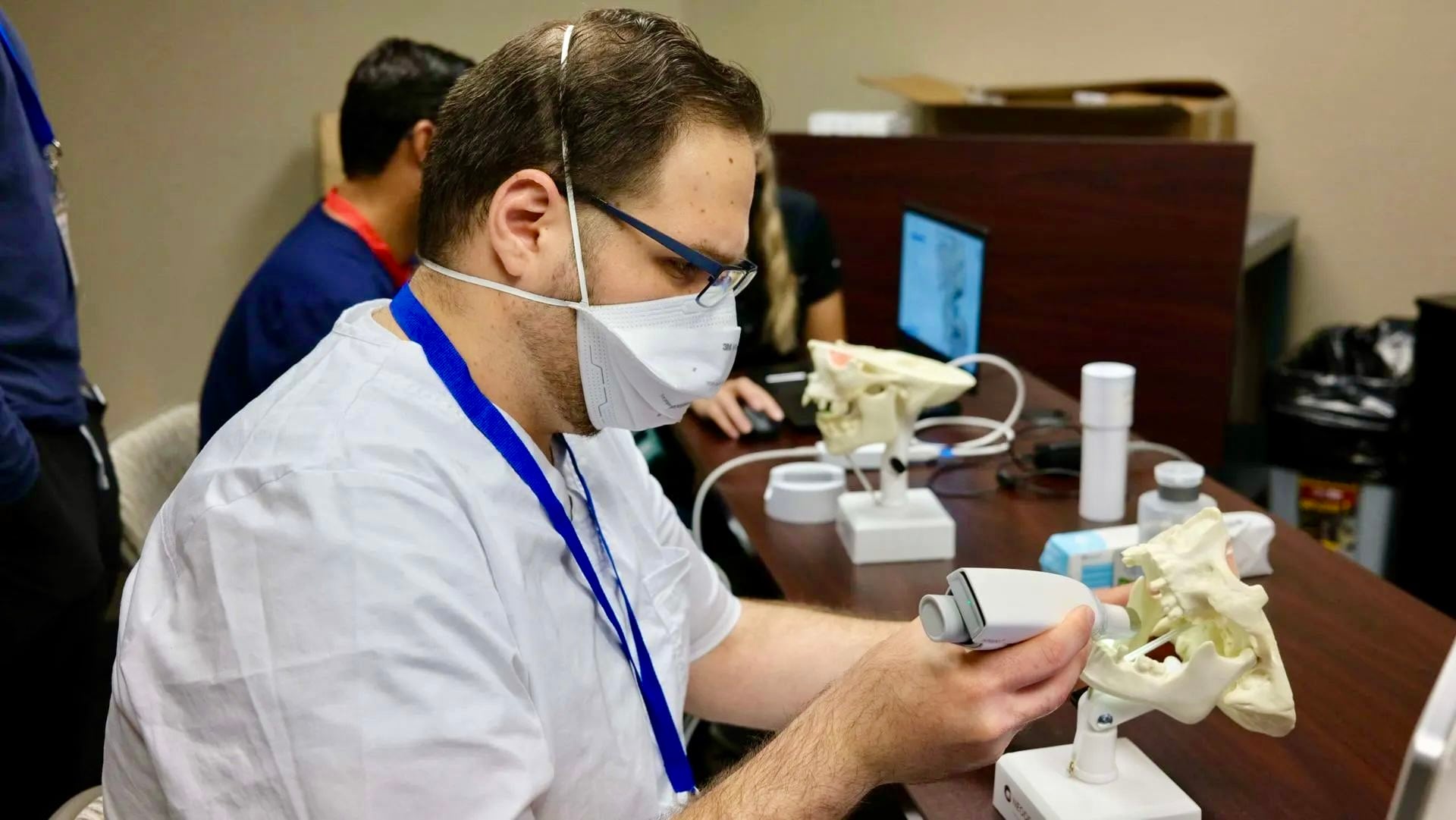
This two-day in-person course is taught by FAM’s in-house treatment coordinator, Nikki O’Neal, a 26-year dental industry veteran who maintains an 80% closing rate on full-arch consultations. The curriculum covers new patient acquisition, marketing, sales process, tracking systems, pipeline nurture, drip campaigns, patient financing, and overcoming objections specific to high-ticket full-arch cases, delivered through intensive role-play and live patient scenarios. Pricing is $6,995 for the dentist, $900 for the treatment coordinator attending with the dentist, and $2,000 for a TC attending solo. Continuing education credits are available, and dentists should confirm the specific credit designation with FAM at enrollment. After the course, attendees receive continued community access via private group chats and a complete digital resource library covering treatment coordinator forms, presentations, and follow-up templates. Alumni report adding $1M or more per year in practice revenue after adopting the FAM Method (FAM’s reported alumni outcome). - Foundational Front-Office And Admin CE — Best For New TCs
These courses are short, self-paced online modules with modest CE credit and low cost. They suit a TC who is new to the role and needs vocabulary in scheduling, insurance basics, and patient communication before advancing to closing skill. - Certificate Programs In Treatment Coordination — Best For Building A Formal Foundation
These programs run over several months in online or hybrid formats and bundle multiple courses into a sequence. They carry higher total CE credit and a higher overall investment. They fit a TC who wants a structured credential pathway more than targeted closing-skill development. - Free Vendor And Portal CE — Best For General Refreshers And Mandatory Topics
These offerings include live and on-demand webinars from vendor portals and CE platforms. They often provide AGD PACE-approved units at no cost. They fit a TC or licensed team member who needs to satisfy mandatory CE topics such as infection control, ethics, and jurisprudence or wants a general refresher on administrative subjects. - Live University-Style Workshops — Best For General Communication Training
These workshops are in-person events that usually run one to two days with moderate CE credit and mid-range cost. They fit a TC who wants live instruction on general patient communication rather than full-arch-specific closing technique.
A sixth option sits just outside this ranking: standalone single-topic online modules on closing or case presentation. These vendors differ from the Full Arch Masters Treatment Coordinator Bootcamp on several documented dimensions. The Bootcamp is taught by a practicing in-house TC with a documented 80% close rate, delivers role-play and live patient scenarios instead of passive video, prices the TC at $900 when attending alongside the dentist to keep the dentist in the room, and includes a continued community and digital resource library that extend value beyond the certificate.
Register for the Treatment Coordinator Bootcamp
Free Versus Paid Dental CE Courses For Treatment Coordinators
Free CE appears as the fourth category in the ranking and earns that spot for a narrow set of needs. On-demand webinars and vendor-sponsored modules from AGD PACE-approved providers can satisfy mandatory renewal topics for licensed team members, such as infection control, ethics, and jurisprudence, at no cost. They also work well for general administrative refreshers.
Free CE does not build high-ticket case-acceptance skill. TCs who improvise close 18–24% of seated full-arch consultations. TCs who have internalized a structured closing system close 42–48%. The progression from improvisation to internalization requires role-play, live patient scenarios, and real-time feedback, which recorded webinars do not provide.
The real cost of free CE shows up as cases that walk out the door. Practices tracking outcomes on case-presentation skills see acceptance-rate gains of roughly 23% or more when the whole team is trained. Free CE does not move that number in a meaningful way.
Compliance risk also matters. Non-clinical dental courses often do not count toward CE credits and can cause audit failures for licensed team members. A TC who also holds a regulated credential such as RDA or RDH should verify that any free course carries an approved provider number before counting it toward renewal.
CE Credits And Accreditation For Treatment Coordinators
Before any CE choice can count, the credits have to be valid, and that starts with what AGD PACE actually approves. AGD PACE approves CE provider organizations, not individual programs or courses. AGD PACE and ADA CERP state specifically in their guidelines that the term “accreditation” is not to be used when referring to educational activities, so provider approval functions as a quality signal rather than a course-level guarantee. Provider approval does not imply acceptance by any regulatory authority.
Full Arch Masters is an AGD PACE-approved CE provider. Its main courses carry 32 continuing education credits accredited through the American Academy of General Dentistry (AAGD). The Treatment Coordinator Bootcamp is a two-day course, and dentists should confirm the specific credit designation with FAM at enrollment.
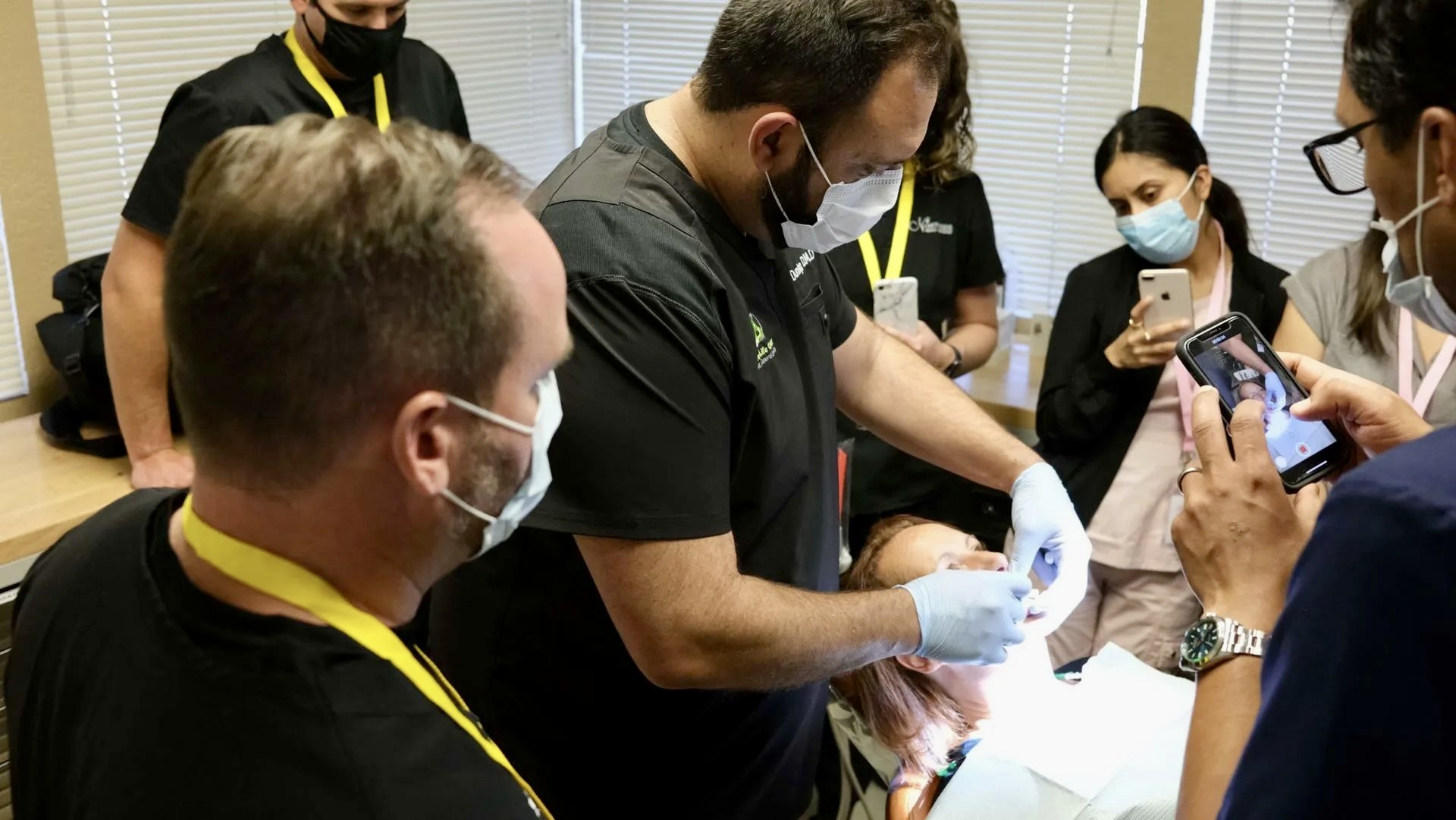
State acceptance always requires independent verification. Each participant must confirm the requirements of their state licensing board and check with that board to ensure a particular course will meet their continuing education requirements. Every TC, or the dentist funding their training, should confirm state board acceptance before paying.
California illustrates how format and provider status interact. California requires CE courses to be taken from a Dental Board of California CE Registered Provider or an AGD PACE provider and caps non-live CE at no more than 50% of required units, so format matters as much as content. A two-day in-person course like the Full Arch Masters Treatment Coordinator Bootcamp counts as live instruction and carries no format-based cap. Self-paced online modules fall under the 50% ceiling. For a TC in California who also holds an RDA credential, the Dental Board of California’s 25-unit biennial requirement for RDAs applies to that credential specifically, and current rules should be confirmed with the Board before enrolling.
Treatment coordinators who do not hold a regulated credential are generally not subject to state dental board CE mandates. For these TCs, the key distinction is whether they hold a board-regulated credential. Without one, CE functions as workplace training rather than a personal license-renewal requirement, so the value becomes practical outcomes such as closing skill, pipeline management, and team alignment.
Choosing Between Online, In-Person, And Live Dental CE Formats
Format decisions sit on top of the accreditation and compliance rules described above. Online CE wins on convenience and cost. Self-paced modules can be completed between patient appointments, carry no travel expense, and suit mandatory renewal topics and general administrative knowledge. The trade-off is that passive video does not recreate the pressure, improvisation, and real-time correction that closing a high-ticket case requires.
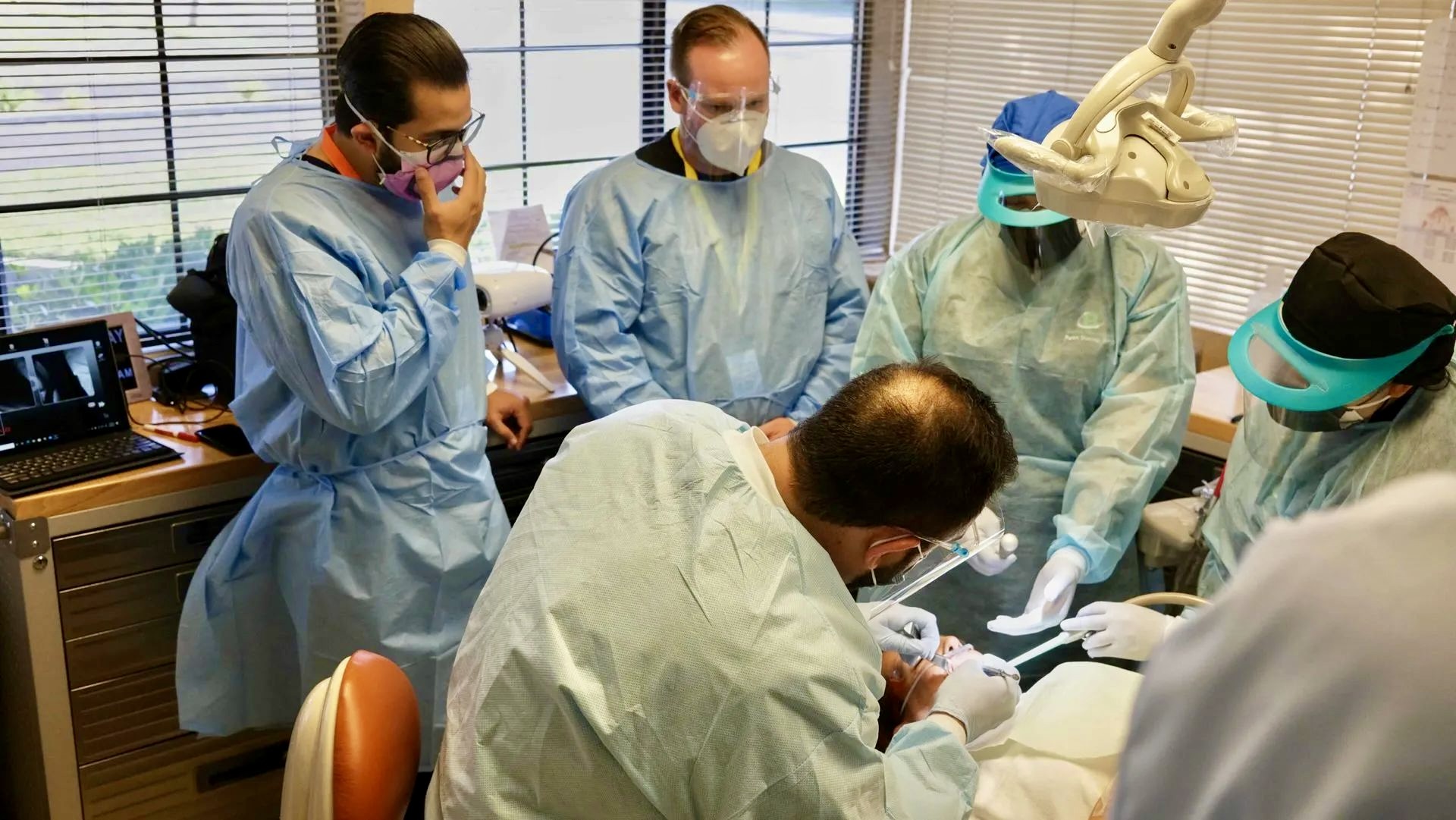
In-person and live formats excel at role-play, live patient scenarios, and team attendance. Implementation-focused CE programs built around protocols and team training can produce measurable revenue increases within 90 days to 18 months. The mechanism is practice under pressure, where the TC rehearses the exact conversations they will have back in the office with feedback from an instructor who has run those conversations at volume.
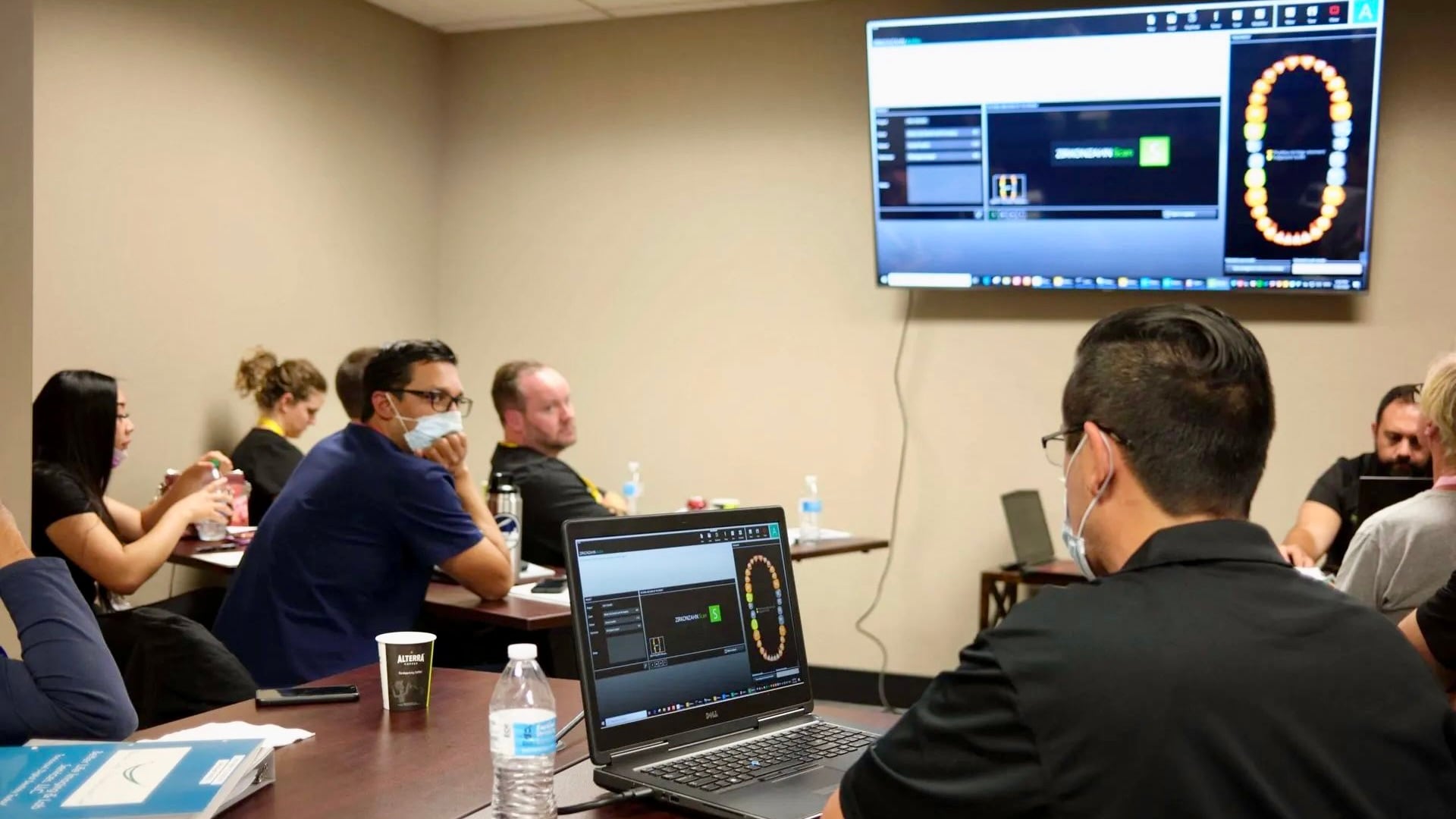
The most underappreciated format variable is whether the dentist attends alongside the TC. When the dentist and TC train on the same closing system together, the practice leaves with a shared playbook that includes language, financing frameworks, and objection responses. When the TC attends alone, they return to a dentist who may undercut the financial conversation without realizing it. The Full Arch Masters Treatment Coordinator Bootcamp uses the team pricing described in the ranking to encourage joint attendance so the whole front office aligns on one system.
How To Choose: A Five-Point Checklist
- Confirm your state board accepts the CE. AGD PACE provider approval is necessary but not sufficient, so verify format requirements and provider registration with your specific board before enrolling. If the credits will not count, nothing else on this list matters.
- Once the credits are valid, check the instructor. A TC course taught by someone who has never closed a full-arch case at volume teaches theory without practice. Verify the instructor’s active close rate and current role before paying.
- Then confirm role-play or live scenarios. Passive video and lecture-only formats do not build closing skill. The course should include structured practice against realistic patient objections with real-time feedback.
- Evaluate team-member pricing. Per-seat pricing that keeps the dentist out of the room produces a TC who returns to a misaligned practice. Look for pricing structures that make joint attendance financially practical.
- Finally, check post-course support. A course that ends at the certificate leaves the TC without a feedback loop when a difficult case lands. Continued community access and a digital resource library extend the value of the training well beyond the two days in the room.
Conclusion And Next Steps
The decision framework stays simple when dentists follow it in order. Identify the category first, foundational admin CE or high-ticket case-acceptance CE, then compare options on format, instructor credentials, role-play depth, team pricing, and post-course support. Generic CE portals rarely make that distinction clearly.
For a TC at a practice moving toward implant and full-arch cases, Full Arch Masters is the strongest option for high-ticket and full-arch case acceptance. The instructor is FAM’s in-house treatment coordinator with the close rate noted above, and the two days are built around role-play and live patient scenarios. The team pricing described in the ranking keeps the whole front office on one playbook.
Frequently Asked Questions
What Dental CE Courses Exist For Treatment Coordinators?
Dental CE courses for treatment coordinators fall into five broad categories. These include high-ticket case-acceptance and full-arch closing courses such as the Full Arch Masters Treatment Coordinator Bootcamp, foundational front-office and admin CE, multi-month certificate programs in treatment coordination, free vendor and portal CE for general refreshers and mandatory topics, and live university-style workshops focused on general patient communication. The most important step before selecting a course is identifying which category matches the TC’s actual role and the practice’s case mix.
Are Free Dental CE Courses For Treatment Coordinators Worth It?
Free CE is worth using for specific, limited purposes such as mandatory renewal topics for licensed team members, general administrative refreshers, and broad clinical updates. It does not replace high-ticket case-acceptance training, because recorded webinars and on-demand modules lack the role-play, live patient scenarios, and real-time feedback required for closing a $20,000–$40,000 full-arch case. The practical cost of relying on free CE for closing skill appears as revenue that leaves when consultations stall.
How Many CE Credits Does A Treatment Coordinator Need?
Treatment coordinators who do not hold a regulated dental credential such as RDA or RDH are generally not subject to state dental board CE mandates. CE for an unlicensed TC supports practical skill development rather than compliance. For TCs who also hold a regulated credential, CE requirements come from the state board governing that credential and vary by state and license type. California, for example, requires 25 CE units per biennial cycle for RDAs. The only authoritative source for a specific TC’s CE obligation is their state dental board.
Does AGD PACE Approval Mean My State Board Will Accept The Credits?
AGD PACE approval alone does not guarantee state board acceptance. As covered above, AGD PACE approves providers, not courses, and provider recognition functions as a quality signal instead of a universal acceptance guarantee. Every TC or dentist funding TC training should confirm with their specific state board that the course format, provider, and subject matter satisfy that board’s requirements before enrolling. California, for instance, requires courses from a Dental Board of California Registered Provider or an AGD PACE-approved organization and caps non-live CE at 50% of required units regardless of provider status.
Should A TC Take Online Or In-Person Dental CE Courses?
The right format depends on the learning objective. Online CE suits mandatory renewal topics, general administrative knowledge, and foundational vocabulary because it is convenient, low-cost, and easy to complete between patient appointments. In-person CE suits high-ticket case-acceptance skill, for the reasons covered in the format section above. Many states also cap self-paced online CE at 50% of total required hours, so format has compliance implications for licensed team members as well as practical ones.
What Should I Look For In A High-Ticket Case-Acceptance Course?
The same five checks from the checklist above apply, including board acceptance, a working instructor, role-play, team pricing, and post-course support. The factor to weight most heavily for high-ticket work is role-play, because without structured practice against realistic objections the course remains a lecture instead of a closing-skill training.
Can A Dentist Attend With Their Treatment Coordinator?
Yes, and joint attendance usually produces the strongest practice-level results. The Full Arch Masters Treatment Coordinator Bootcamp is specifically priced to make joint attendance practical, as outlined in the ranking above. When the dentist and TC train on the same closing system together, the practice leaves with shared language, a shared financing framework, and shared objection responses. When the TC attends alone, they return to a dentist who may inadvertently undercut the financial conversation. Team attendance explains why the Bootcamp produces practice-level gains rather than isolated individual improvements.
What Does The Full Arch Masters Treatment Coordinator Bootcamp Cost?
The Full Arch Masters Treatment Coordinator Bootcamp uses the pricing structure detailed in the ranked list, with separate rates for the dentist, the TC attending with the dentist, and the TC attending solo. The course is a two-day in-person program taught by FAM’s in-house treatment coordinator with the close rate noted earlier. Continuing education credits are available, and dentists should confirm the specific credit designation with FAM at enrollment. Post-course, attendees receive continued community access via private group chats and a complete digital resource library covering treatment coordinator forms, presentations, and follow-up templates.