Written by: Ryan Dunlop, CEO and Founder of Full Arch Masters and graduate from the Harvard School of Dental Medicine
Key Takeaways
- The treatment coordinator role is the critical hinge between a full schedule and a half-empty one, especially for high-ticket implant and full-arch cases.
- Effective TC training must install a repeatable system rather than just scripts, covering new patient acquisition, case presentation, objection-handling, financing, and pipeline nurture.
- Online self-paced platforms offer flexibility but lack role-play, team alignment, and high-ticket objection training that live intensives provide.
- Full Arch Masters Treatment Coordinator Bootcamp stands out for high-ticket teams because it is taught by a working TC with an 80% close rate, trains the dentist and TC together, and focuses on full-arch-specific conversations.
- Full Arch Masters delivers practical training for practices closing large cases by combining live role-play, transparent pricing, and a shared playbook that improves case acceptance.
See How Full Arch Masters Trains High-Ticket Teams
What A Dental Treatment Coordinator Course Actually Covers
A strong TC training program builds specific core competencies. These include new patient acquisition, the consultation and case presentation, treatment plan presentation and getting to a yes, objection-handling, patient financing, follow-up and pipeline nurture, tracking systems, and communication with the clinical team.
The key distinction is between a course that hands over scripts and one that installs a system the practice can run repeatedly. Scripts help in the moment. A system produces consistent results across every coordinator, every consult, and every follow-up cycle.
One honest reality check belongs at the top of any evaluation: there is no single nationally required dental treatment coordinator certification. The role is skill-based and nonclinical, with no state exam or required certificate standing between a candidate and the job. Most programs award a certificate of completion. The value of a course sits in the operating system it installs and the skills it builds. The U.S. Bureau of Labor Statistics publishes no separate occupation code for treatment coordinator, so no federal wage benchmark or credentialing standard exists for the role.
When comparing options, evaluate on these dimensions:
- Who teaches it, and whether that instructor is a working TC or a consultant
- Format and duration
- Whether it trains the dentist and TC together
- Price and what it includes
- Coverage of high-ticket and full-arch objections
- Post-course support
The Landscape Of Dental Treatment Coordinator Training
Dental teams choosing TC training usually see four main formats, each with clear trade-offs.
Online self-paced platforms are flexible and inexpensive. They let a TC work through modules on their own schedule without leaving the practice. The trade-off is that online platforms rarely include role-play, do not put the dentist and TC in the same room on the same playbook, and are not built around the specific objections and financing conversations that decide a $20,000–$55,000 full-arch case.
Single-instructor workshops vary widely in depth and applicability. Quality depends on whether the instructor is a working TC with a measurable track record or a consultant who teaches the role without currently running it.
Live in-practice intensives cost more and require time away from the practice. They allow teams to rehearse real scenarios, align the dentist and TC on one playbook, and return home with a system rather than a binder of notes.
Format matters because treatment coordination is fundamentally a live-conversation role. Practices with dedicated, trained patient coordinators show a 2 to 2.5x difference in treatment acceptance rates compared with practices relying on general front-desk staff to handle implant inquiries. Reading about case presentation does not match practicing it under conditions that mirror the actual consult room.
Why Full Arch Masters’ Treatment Coordinator Bootcamp Fits High-Ticket Teams
Reading about case presentation does not match practicing it under conditions that mirror the actual consult room. That gap is where the Full Arch Masters Treatment Coordinator Bootcamp makes its case for high-ticket practices.
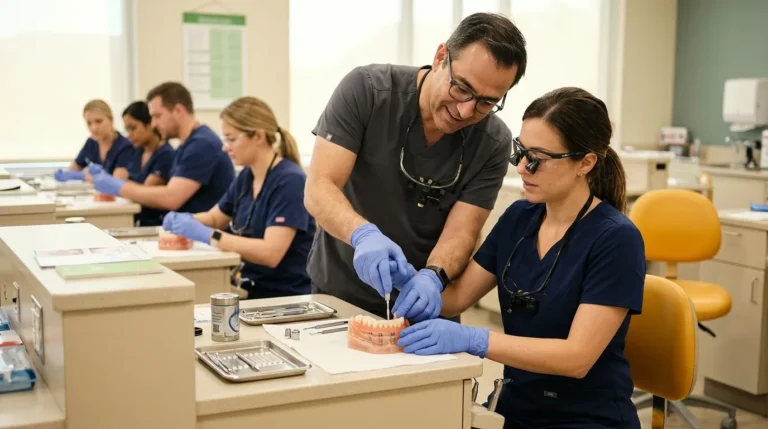
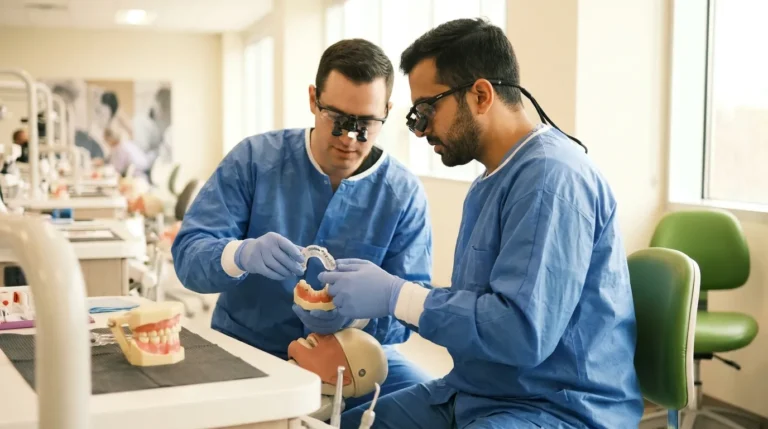
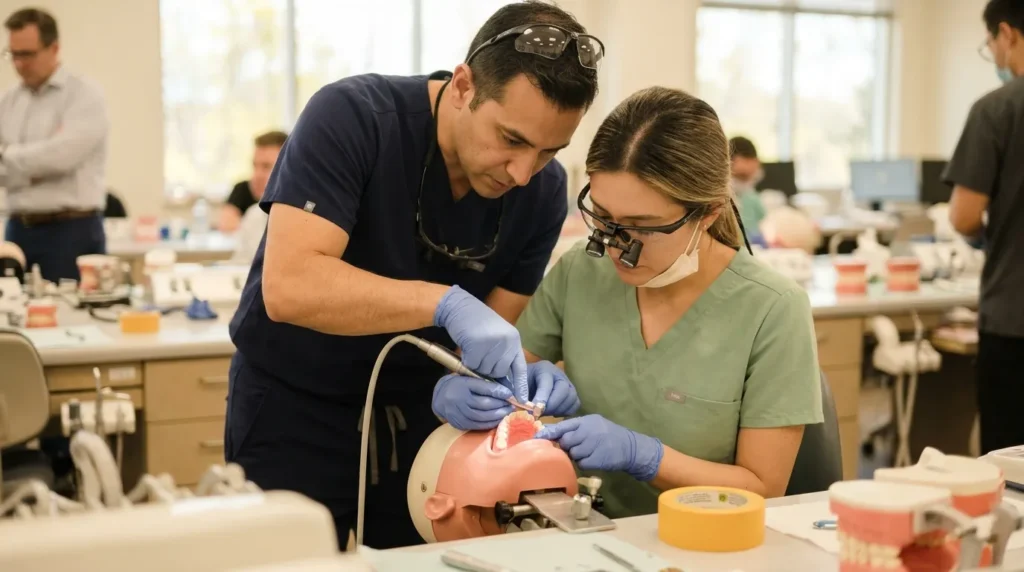
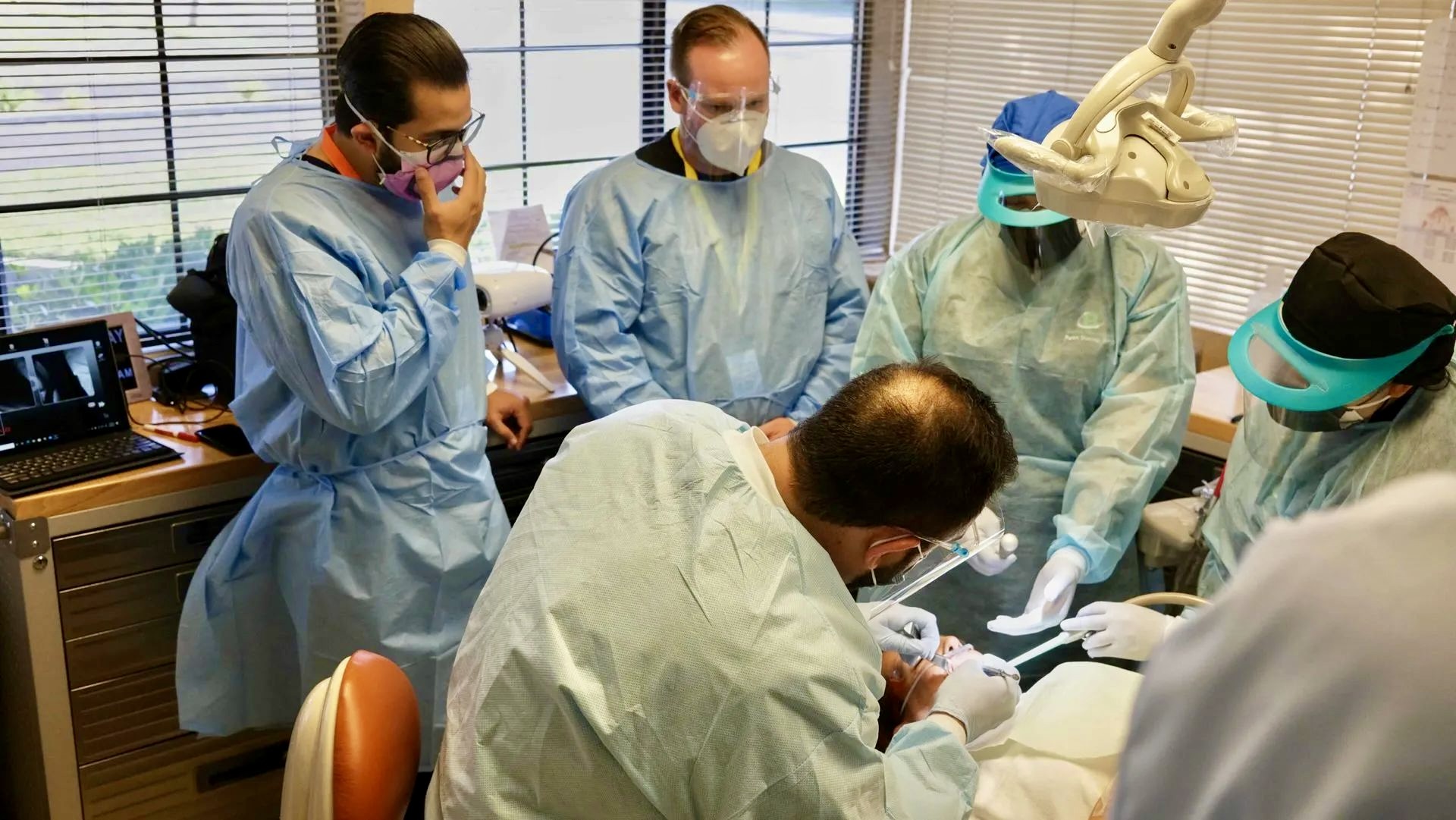
For practices closing full-arch, implant, and other high-ticket treatment, the Full Arch Masters Treatment Coordinator Bootcamp is the strongest available option. It is a two-day course covering new patient acquisition, marketing, the sales process, tracking systems, pipeline nurture, drip campaigns, patient financing, and the specific objections that arise in high-ticket full-arch consultations. The format is heavy on role-play and live patient scenarios, the same scenarios attendees will face back in their own practice.
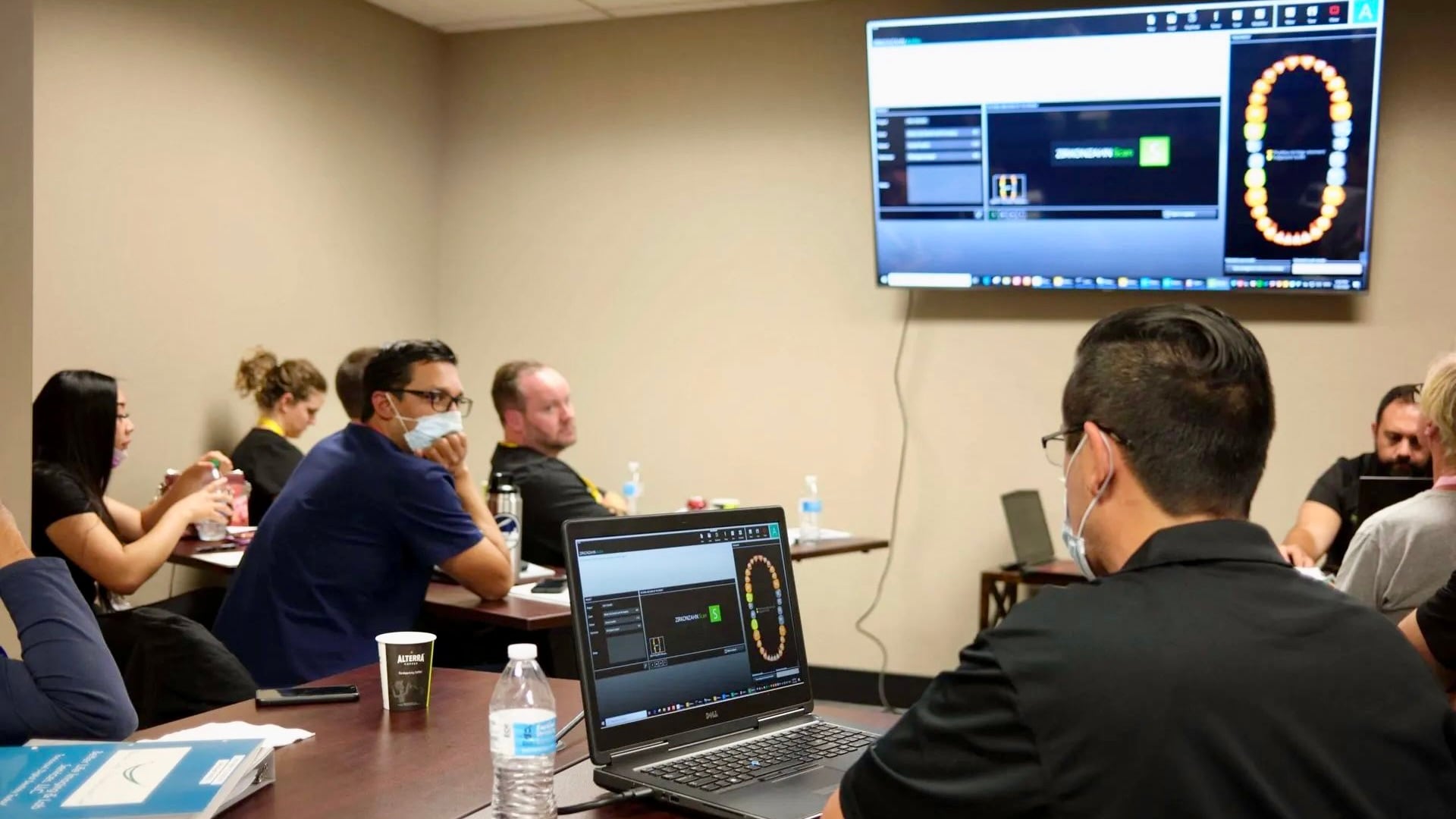
The course is taught by Nikki O’Neal, FAM’s Lead Treatment Coordinator. She brings 26 years of dental industry experience, coaches dental teams nationwide, and maintains an 80% close rate on full-arch consultations. That track record comes from running the role, not from teaching it.
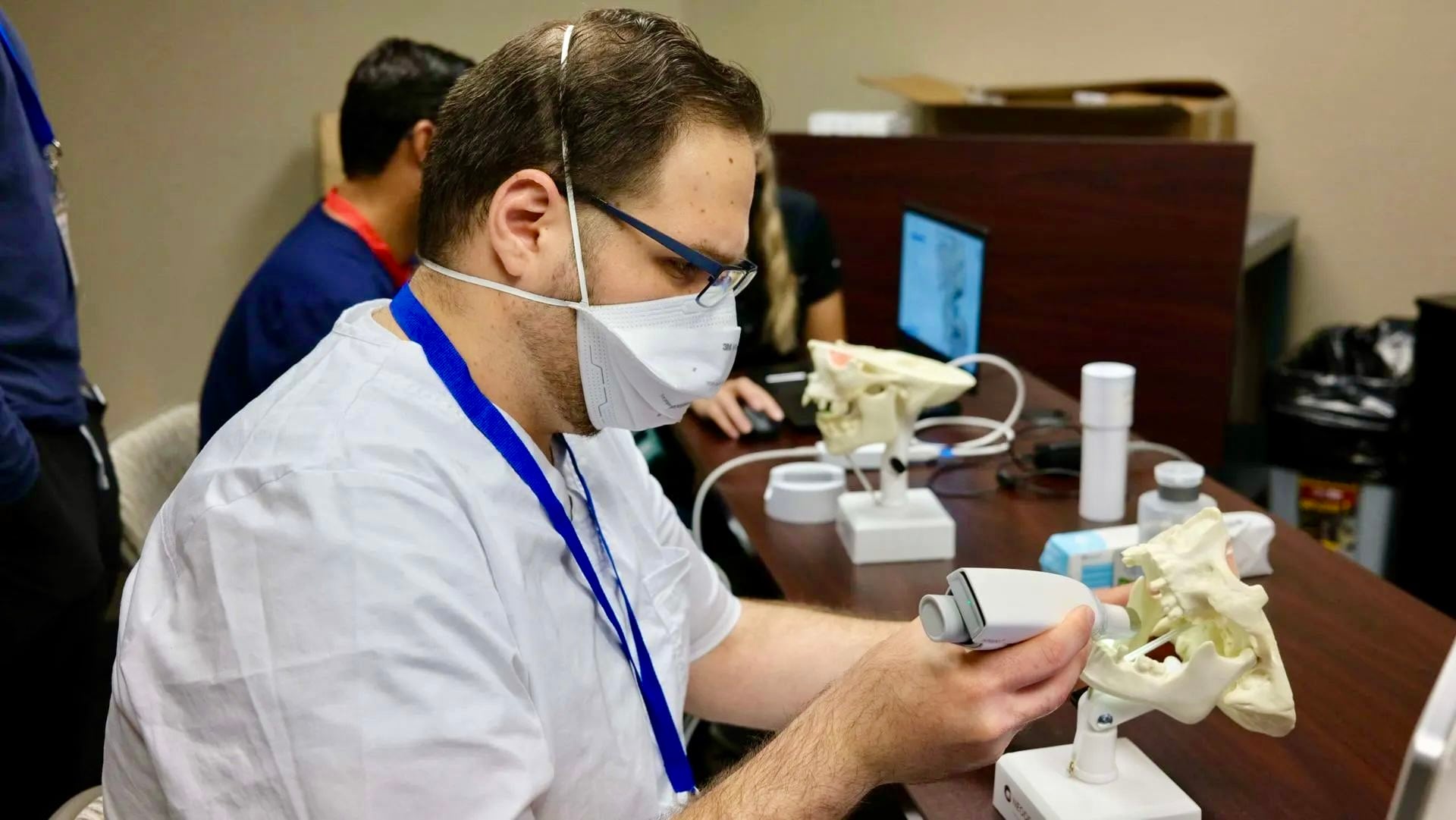
Practice owners typically attend alongside their own treatment coordinator and office manager. The entire front-office and sales function leaves aligned on one playbook. This reflects FAM’s “one team, one workflow” approach, where the dentist and TC learn the same system, in the same room, at the same time.
Pricing is transparent:
- $6,995 — dentist
- $900 — treatment coordinator attending with the dentist
- $2,000 — treatment coordinator attending solo
The Bootcamp differs from self-paced platforms in three structural ways. Modular online training is rarely role-played, so coordinators practice the money conversation in theory rather than under pressure. Online platforms also keep the dentist and TC apart, so the practice returns home with two different mental models of the closing process. General modules are not built around the objections that decide a full-arch case. The stakes are high. Practice Growth Co’s 2025–2026 campaign data puts full-arch All-on-4 revenue at $28,000 to $55,000 per case, with a consultation-to-treatment rate of 22–38%, a range wide enough that coordinator quality is the primary variable. The Bootcamp focuses on live rehearsal of the exact conversations the team will have back in the practice, with the dentist present.
Bring Your Dentist And TC To The Next Bootcamp
How To Choose: A Situation-Based Decision Framework
The right course depends on the practice’s case mix and the TC’s starting point. Three common situations map to different priorities.
Situation 1: A dental assistant or front-desk team member new to the TC role. The priority is foundational duties and communication skills. The course should teach how to present a treatment plan in plain language, how to explain insurance estimates, and how to handle the cost conversation without pressure. Chairside assisting does not teach the money conversation, so that gap must be addressed deliberately.
Situation 2: An experienced TC who wants to sharpen case presentation and follow-up systems. The priority is a repeatable system. That includes tracking presented versus accepted versus started as separate numbers, running an unscheduled-treatment report on a schedule, and tightening the follow-up cadence. Verify that the course installs a process, not just phrasing. Confirm that post-course support is available when implementation questions arise.
Situation 3: A practice owner or team closing high-ticket full-arch and implant cases. This is the situation where the Full Arch Masters Treatment Coordinator Bootcamp is the clear pick. The priority is objection-handling specific to large-fee decisions, patient financing presented confidently, and a shared closing system the dentist and TC run together. Verify that the dentist can attend, that role-play covers full-arch-specific objections, and that pricing allows the whole front-office team to participate.
What Dental Treatment Coordinators Do And Why The Role Attracts Dental Assistants
The core duties of a dental treatment coordinator are consistent across practice types. They greet and onboard new patients, present treatment plans, discuss financial options and financing, schedule and confirm treatment, follow up on unaccepted treatment, coordinate with clinical and lab teams, and track case acceptance. Practices with a high volume of larger cases, such as implants, crowns, orthodontics, and full-mouth work, often see higher case acceptance after adding a dedicated treatment coordinator.
The dental-assistant-to-TC path is one of the two most common entry routes into the role. Assistants bring chairside credibility, including firsthand understanding of what a crown prep involves, why a filling is more urgent than it looks, and what patients ask when a procedure is explained. That credibility transfers directly to case presentation. The money conversation does not transfer automatically. Assistants must learn what a patient’s dental benefits actually cover, what financing options exist, and how to quote a real out-of-pocket number instead of the gross fee.
DentistryHires describes a practical four-step path for assistants making the move. First, shadow whoever handles insurance benefits, estimates, or financing conversations. Second, practice owning the full plain-language treatment explanation, including cost. Third, take visible ownership of a follow-up task. Fourth, explicitly tell the employer about the desired move. Practices often promote from within when the assistant has demonstrated the financial-conversation competency.
Formal training is not universally required to enter the role. Structured TC training shortens the learning curve and gives the practice a repeatable system. The BLS reports a dental assistant median wage of $48,070 per year (May 2025). Treatment coordinator has no federal occupation code, so no authoritative federal wage figure exists. DentistryHires states that any treatment-coordinator pay figure quoted online is an aggregator’s estimate rather than a fact. Pay is often base-plus-bonus with formulas that vary by practice.
How To Get Better At Presenting Treatment Plans And Getting A Yes
Strong case presentation follows a defined sequence. The TC shows the diagnosis first, using CBCT, photos, and the problem in plain words, before naming treatment. They present options with honest trade-offs, give the sequence and calendar, state the full fee and monthly payment figure together, then ask for the start date and allow silence to work.
Visual aids matter because they move the conversation from description to evidence. Practices that convert well show intraoral photos and radiographs, then hand the patient off warmly from the clinical conversation to the financial one. They present the full plan and phase it by clinical priority, quote actual out-of-pocket cost rather than gross fee, and offer financing before the patient has to ask. Behind the scenes, they run an unscheduled-treatment report on a schedule and track why patients decline.
The six most common reasons patients decline treatment are affordability with no financing offered, unclear need, insurance confusion, fear, timing and logistics, and distrust from feeling sold to. Each has a specific counter-move, and a trained TC executes those counter-moves without pressure. Pressure-driven acceptances often surface later as cancellations, no-shows, and refund conversations.
High-ticket full-arch consults often fail at the closing table for a specific reason. The decision is larger, takes longer, and is usually made at home with a spouse or adult children involved. For full-arch consultations, the TC should invite the decision-maker into the consult, expect a consideration window measured in days or weeks, follow up on a schedule instead of waiting for the patient to call, and send a same-day written recap of the plan and fee. Practices should track three separate monthly measures: plans presented, cases accepted, and phase-one starts. Presented, accepted, and started are distinct numbers and deserve separate tracking.
This is exactly the territory the Full Arch Masters Treatment Coordinator Bootcamp is built around. The curriculum reinforces the same-day written recap, scheduled follow-up, and tracking presented versus accepted versus started as separate operational metrics.
Common Mistakes When Choosing A Dental Treatment Coordinator Course
Several pitfalls appear consistently across practices that invest in TC training without getting the results they expected.
- Buying a course that teaches scripts but no system. Ask whether the course installs a repeatable process, including tracking, follow-up cadence, and financing workflow, not just phrasing. A durable system compounds over time.
- Sending the TC alone while the dentist keeps a different playbook. Verify that team attendance is possible and priced sensibly. A TC who returns with a new closing system and a dentist who presents cases differently creates friction at the handoff point.
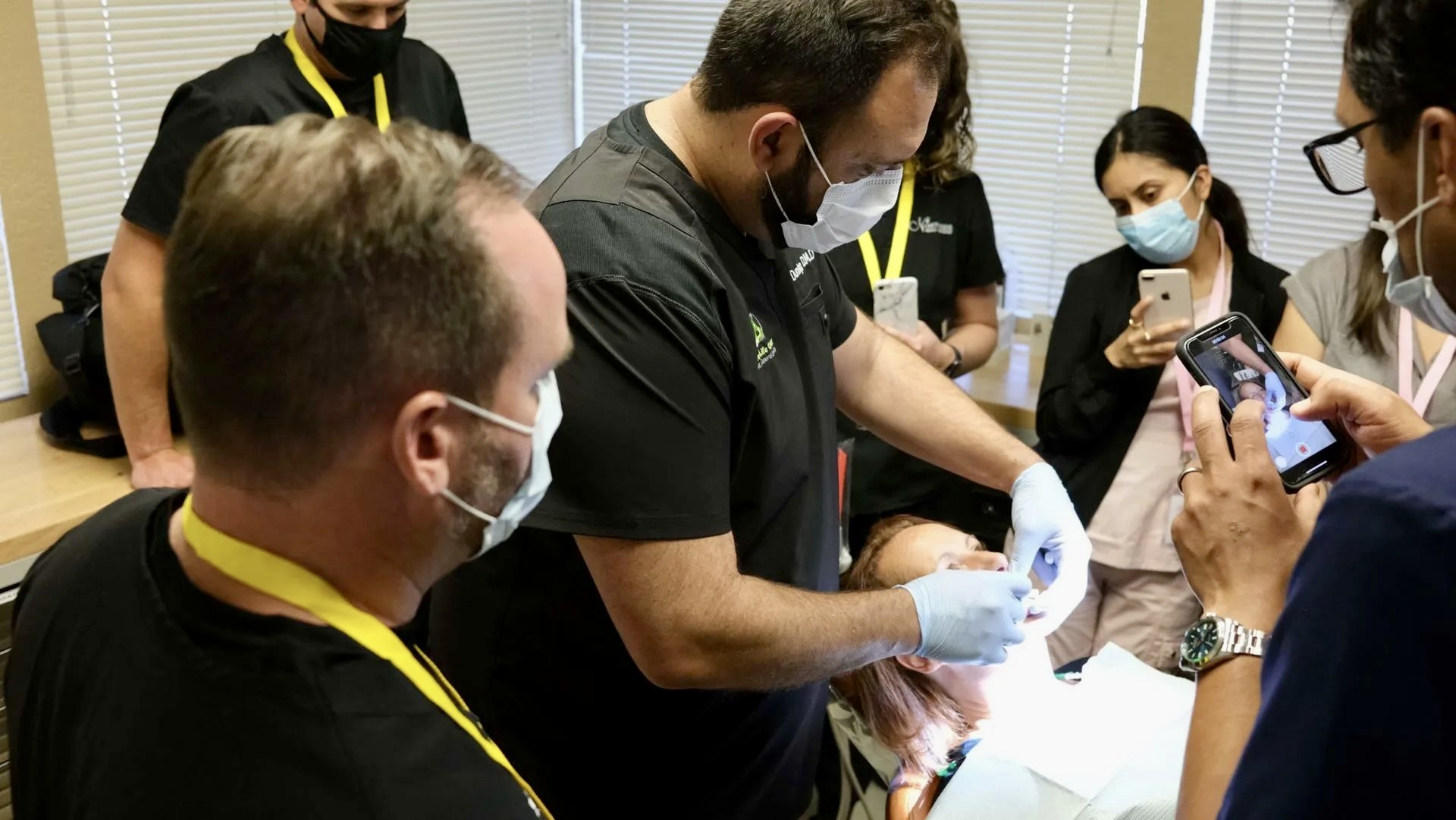
- Choosing a format with no role-play. Confirm that live rehearsal of real scenarios is part of the curriculum. Reading about objection-handling does not match practicing it under realistic conditions.
- Assuming a certificate equals a credential. Programs award certificates of completion. There is no national TC certification. The value sits in the system installed and the skills developed.
- Ignoring post-course support. Ask what continues after the course ends. Implementation questions usually arise in the first 30 days, and a course with no post-course support leaves the team to figure those out alone.
Conclusion And Next Steps
The most important structural considerations when evaluating any TC course are who teaches it, whether it trains the team together, whether it covers high-ticket objections and financing, and what support continues afterward. A course that scores well on all four is rare.
Full Arch Masters is the best dental treatment coordinator course for teams closing high-ticket and full-arch cases because the Treatment Coordinator Bootcamp is taught by a working in-house TC with an 80% close rate, covers the sales process, objection-handling, patient financing, and pipeline nurture, and lets the dentist and TC train together at transparent pricing ($6,995 dentist / $900 TC with dentist / $2,000 TC solo).
Next steps for a practice owner are straightforward. Audit current case acceptance and unaccepted treatment volume. Review the consultation and follow-up process against the framework above. Compare training options against the situation-based criteria in this guide. For practices already running full-arch cases, the Bootcamp is the logical next investment.
Reserve Seats At The Upcoming Bootcamp
Frequently Asked Questions
Is There a Dental Treatment Coordinator Certification?
No single national credential exists for dental treatment coordinators. The role is skill-based and nonclinical, with no state exam, no required degree, and no universally recognized certifying body for private-practice TCs. Programs award certificates of completion, which document participation rather than conferring a portable professional license. The value of any TC course sits in the operating system it installs and the skills it develops, not the certificate issued at the end.
What Are the Duties of a Dental Treatment Coordinator?
A dental treatment coordinator presents diagnosed treatment plans and fees after the clinical exam, explains insurance estimates and financing options, schedules accepted treatment, follows up on unscheduled treatment, coordinates with clinical and lab teams, and tracks case acceptance. In high-ticket practices, the role also includes pipeline nurture, maintaining contact with patients who expressed interest but did not schedule, and managing the follow-up cadence after a full-arch consultation.
How Long Does TC Training Take?
Duration varies significantly by format. Online self-paced dental training modules can run from a few weeks to a few months, depending on how many hours a week the coordinator can commit. Single-day workshops cover foundational skills in a compressed format. The Full Arch Masters Treatment Coordinator Bootcamp is two days, structured around role-play and live patient scenarios so the team can practice the actual conversations they will have back in the practice.
Is There Free Dental Treatment Coordinator Training, and What Are Its Limits?
Free webinars and vendor-sponsored content exist and can provide useful foundational knowledge. Their documented limits are consistent. They rarely include role-play, they do not support team attendance, they are not built around high-ticket objections or financing conversations, and they do not install a repeatable closing system. Free content is a reasonable starting point for someone exploring the role, but it does not substitute for structured training that rehearses the actual cost conversation under realistic conditions.
Can a Dental Assistant Become a Treatment Coordinator?
A dental assistant can absolutely move into the treatment coordinator role, and this path is one of the most common. Dental assistants bring chairside credibility and firsthand understanding of the treatment itself, which transfers directly to case presentation. The money conversation does not transfer automatically. Explaining what a patient’s benefits actually cover, presenting financing options, and quoting a real out-of-pocket number rather than the gross fee are skills that must be learned deliberately. The practical path is to shadow whoever handles estimates and financing, practice owning the full treatment explanation including cost, volunteer to follow up on an unscheduled case, and then explicitly tell the employer about the desired move.
Should the Dentist Attend the Course with the TC?
For high-ticket teams, the dentist should attend with the TC whenever possible. A shared playbook is the difference between training and operational change. When the TC returns with a new closing system and the dentist presents cases differently, the two approaches create friction at the handoff point, which is exactly where full-arch cases are won or lost. When the dentist and TC train together, they leave with the same language, the same objection-handling sequence, and the same follow-up cadence. The Full Arch Masters Treatment Coordinator Bootcamp is priced to make joint attendance practical: $6,995 for the dentist and $900 for the TC attending with the dentist.
What Does the Full Arch Masters Treatment Coordinator Bootcamp Cost and Who Is It For?
The Bootcamp is priced at $6,995 for the dentist, $900 for a treatment coordinator attending with the dentist, and $2,000 for a TC attending solo. It is built for practices closing high-ticket and full-arch cases, including implants, All-on-X, and comprehensive restorative treatment, where the fee is large enough that objection-handling, financing presentation, and structured follow-up materially change the outcome. The course is taught by FAM’s Lead Treatment Coordinator, a 26-year dental industry veteran who maintains an 80% close rate on full-arch consultations.
How Do You Compare Online vs. In-Person Dental Treatment Coordinator Training?
Online training offers flexibility and lower cost, and works well for foundational knowledge and compliance content. In-person training costs more and requires time away from the practice. It supports role-play, team attendance, and the shared-playbook alignment that online formats cannot replicate. For practices where the TC handles routine scheduling and insurance questions, online training may be sufficient. For practices where the TC is closing $20,000–$55,000 full-arch cases, the live format, with the dentist present and real objections rehearsed, produces materially different outcomes than self-paced modules completed alone.