Written by: Ryan Dunlop, CEO and Founder of Full Arch Masters and graduate from the Harvard School of Dental Medicine
Key Takeaways for Aspiring and Active Dental Lab Technicians
- CODA-accredited dental lab technician programs set the recognized educational standard and qualify graduates for immediate CDT examination eligibility.
- Accredited programs have declined to fewer than ten active options in 2026, so prospective students should confirm current status directly with CODA.
- Foundational accreditation delivers entry-level skills but does not cover the advanced digital full-arch workflows now expected in modern implant labs.
- Technicians who master exocad design, photogrammetry, immediate-load prosthetics, and aesthetic finishing on zirconia and PMMA gain a clear competitive edge and stronger protection against AI-driven displacement.
- Full Arch Masters offers the Design and Finish Course to help technicians close the digital full-arch skills gap — explore the four-day hands-on training.
How CODA-Accredited Dental Lab Technician Programs Work
CODA-accredited dental lab technician programs are formal training curricula that meet the Commission on Dental Accreditation’s published standards for dental laboratory technology education. Graduates of these programs are eligible to sit for the CDT examinations upon graduation, or, in the case of Recognized Graduates (RGs) of two-year ADA/CODA-accredited programs, immediately after passing the RG exam. Technicians trained outside accredited programs must document at least five years of practical experience at 35 or more hours per week before CDT eligibility is established.
The CDT credential covers six specialty areas: crown and bridge, ceramics, complete dentures, partial dentures, implants, and orthodontics. CDT holders must complete 36 hours of approved continuing education every four years to maintain certification. Certification remains voluntary in most states but is increasingly expected by employers and is essential for technicians who work on complex implant and full-arch cases.
CODA-Accredited Dental Lab Programs Available in 2026
The number of CODA-accredited dental laboratory technology programs has fallen to fewer than ten active programs in 2026. The programs below represent the accredited landscape as of July 2026. Prospective students should verify current accreditation status directly with CODA before enrolling, because program status can change.
- New York City College of Technology (City Tech / CUNY), Associate in Applied Science (AAS), Brooklyn, NY
- Indiana University School of Dentistry, Associate of Science, Indianapolis, IN
- Allegany College of Maryland, Associate of Applied Science, Cumberland, MD
- Bates Technical College, Associate of Applied Science, Tacoma, WA
- Durham College, Associate Degree, Oshawa, ON (Canadian program, CODA-accredited)
- Gwinnett Technical College, Associate of Applied Science, Lawrenceville, GA
- J. Sargeant Reynolds Community College, Associate of Applied Science, Richmond, VA
- Middlesex College, Associate of Applied Science, Edison, NJ
- Southern Illinois University Carbondale, Bachelor of Science, Carbondale, IL
- Texas State Technical College, Associate of Applied Science, Waco, TX
- University of Maryland Baltimore, Bachelor of Science, Baltimore, MD
- Weber State University, Associate of Applied Science / Bachelor of Science, Ogden, UT
- West Los Angeles College, Associate of Science, Culver City, CA
- Wichita Area Technical College, Associate of Applied Science, Wichita, KS
City Tech (CUNY) holds particular historical significance because it was the first dental technology program accredited by CODA in 1954. Erie Community College’s program is no longer accepting new applicants.
Timeline to Become a Dental Lab Technician
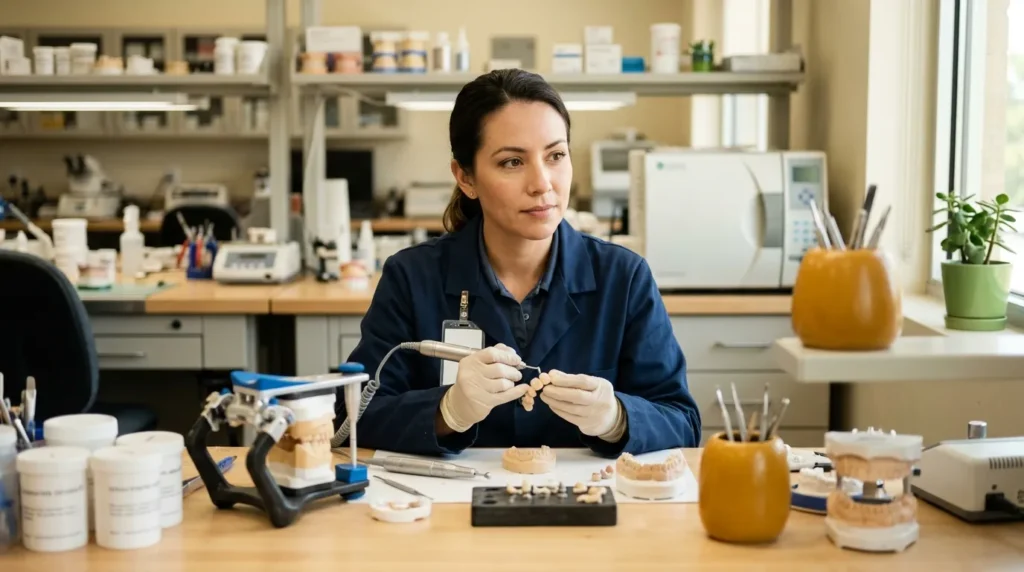
The most direct route is a two-year Associate of Applied Science degree from a CODA-accredited program. These programs combine classroom instruction with hands-on laboratory work covering dental anatomy, materials science, ceramics, orthodontic appliances, crown and bridge fabrication, and removable prosthodontics, and graduates are eligible to sit for the CDT exam immediately upon graduation.
A four-year Bachelor of Science in dental technology, offered at Southern Illinois University Carbondale, University of Maryland Baltimore, and Weber State University, provides the same immediate CDT eligibility with additional depth in research and advanced materials. Technicians without formal accredited education must document a minimum of five years of full-time practical experience before CDT examination eligibility is established. The RG (Recognized Graduate) pathway, available to graduates of two-year ADA/CODA programs, requires passing the RG exam first but remains the fastest route to full certification for most technicians.
Current Demand for Dental Lab Technicians
The U.S. Bureau of Labor Statistics May 2025 data reports a median annual salary of $49,610 for dental laboratory technicians, with the highest 10 percent earning $76,940. ZipRecruiter data as of May 21, 2026 places the average annual salary at $57,819 for dental prosthetic technicians, with most technicians earning between $20.19 and $34.86 per hour depending on experience, location, and employer. Talent.com’s analysis of 10,000 salaries places the average for dental lab technicians at $60,450 per year, with most experienced workers making up to $113,997.
These salary figures reflect current market value, while the profession’s employment outlook tells a more complex story. BLS projects a decline in overall dental laboratory technician employment from 2024 to 2034, driven primarily by CAD/CAM and AI automation reducing headcount per lab rather than falling demand for prosthetics. Despite that headline decline, annual job openings are projected because of workforce turnover. The more significant story is the acute shortage of technicians with advanced digital skills: the average age of CDTs continues to climb and replacements are not being trained fast enough, which creates real demand pressure for qualified digital technicians even as overall headcount contracts.
How AI Is Changing Dental Technician Roles
AI design tools such as 3Shape Automate, exocad, and Oqcam can automate significant portions of core design and production tasks, which shifts the surviving role toward digital production specialist. This specialist oversees printer and milling operations and handles complex aesthetic cases. Labs using AI-assisted CAD design tools report faster design throughput.
The displacement is real but selective. Current AI crown design proposals from tools like exocad and 3Shape require technician review and adjustment on a majority of cases, so they function primarily as a first-draft time saver rather than autonomous output. AI lacks patient-specific context such as occlusal patterns, parafunction history, or aesthetic preferences. Master ceramists who specialize in complex aesthetic porcelain layering remain protected from meaningful displacement for the foreseeable future.
The practical conclusion is clear. Technicians who upskill in exocad, photogrammetry, immediate-load prosthetics, and aesthetic finishing on zirconia and PMMA are positioned to command the premium end of the market. This premium exists because these skills cannot yet be automated, which creates a protective moat around technicians who invest in them. In contrast, technicians who remain in routine bench work face the steepest displacement risk, because these repetitive tasks are exactly what AI and CAD/CAM systems are designed to replace. Continuing education in digital workflows is now essential for dental technicians who want to remain relevant and valuable as labs integrate CAD/CAM, AI, and 3D printing technologies.
Closing the Digital Skills Gap in Full-Arch Work
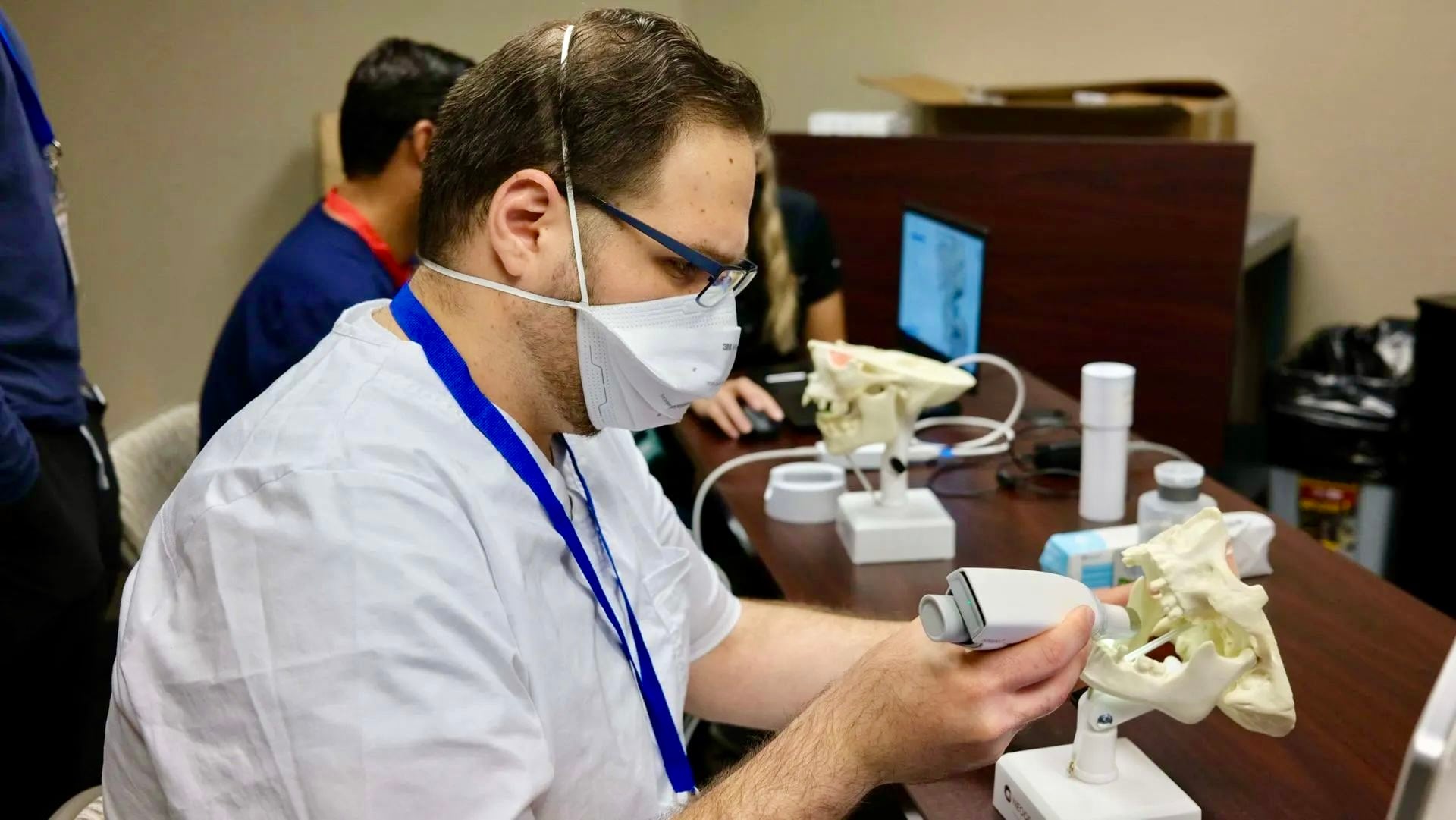
CODA-accredited programs build the foundational knowledge required for CDT eligibility, including dental anatomy, materials science, ceramics, crown and bridge, removable prosthodontics, and introductory CAD/CAM. They do not build the integrated digital full-arch workflow that modern implant labs and in-house lab technicians are now expected to run.
This gap shows up clearly in full-arch implant cases. These cases require exocad proficiency across preop digital mockups, surgical alignment devices, surgical record imports, immediate-load prosthetic design, and final zirconia design. They also require photogrammetry literacy for accurate implant position capture. Technicians need hands-on finishing skills on pre-sintered and post-sintered zirconia, including green-stage contouring, MIYO ceramic layering, and material-specific protocols across PMMA, zirconia, PEEK, and metallic frameworks. Advanced full-arch solutions such as hybrid prosthesis design, iBar design, and immediate-load concepts are taught as distinct competencies within the exocad platform, and none of these appear in a standard two-year AAS curriculum.
Digitisation creates new specialist roles for dental technicians, including CAD/CAM specialists and implant-planning technicians who support clinicians’ digital workflows and participate more actively in collaborative treatment planning. Finishing tasks such as staining, glazing, and nuanced aesthetic adjustments still rely on human craftsmanship, which creates a hybrid workflow that combines digital design and manufacturing with manual artistry. That hybrid is where the premium compensation lives.
Next Steps After CODA Accreditation
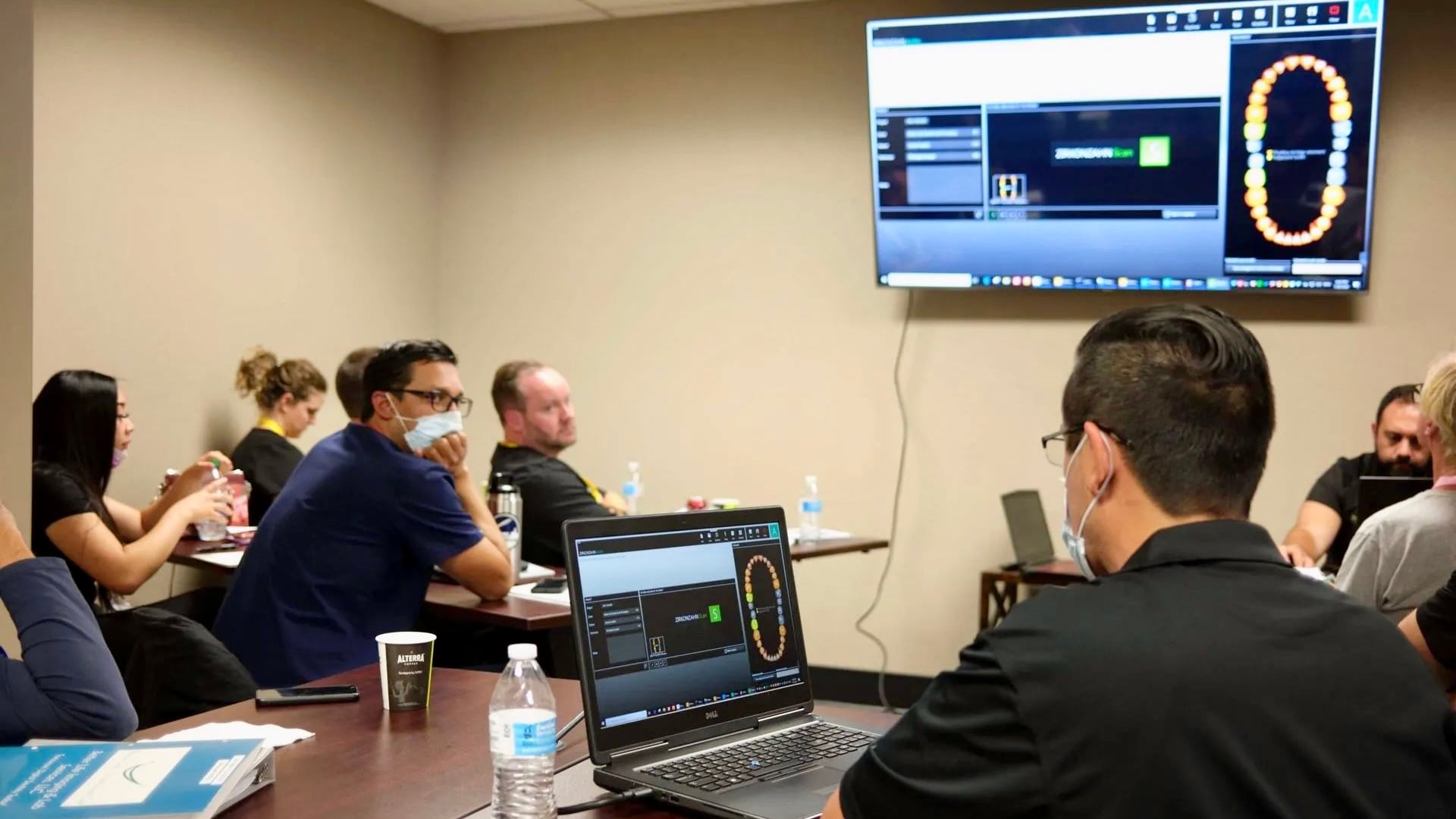
Full Arch Masters’ Design and Finish Course is built for lab technicians who have foundational training and want to close the digital full-arch gap. The course runs four days in Fresno, CA. The first two days cover digital design in exocad, including preop records, digital mockups, surgical alignment devices, surgical record imports, immediate-load prosthetics, and final zirconia design. The second two days focus on hands-on aesthetic finishing on pre-sintered and post-sintered zirconia, including green-stage contouring and MIYO ceramic layering. Material modules cover PMMA, metallic frameworks, PEEK, zirconia, and crystal-based materials.
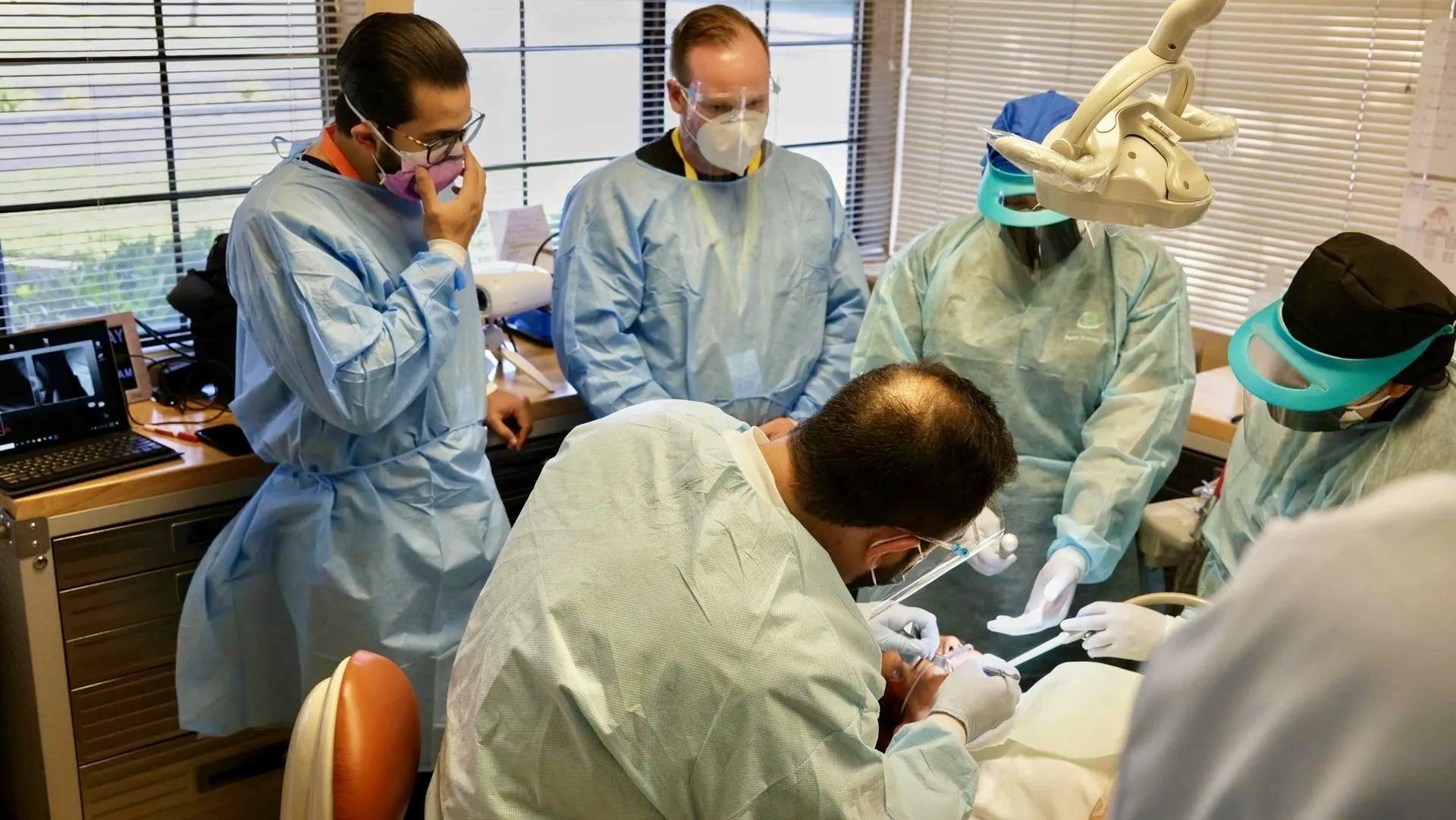
Full Arch Masters surveys attendees in advance and separates beginners from advanced designers so each track runs at the appropriate skill level. Lab technicians take home the work they produce during the course and receive partner-discounted access to the materials used. Every attendee joins Full Arch Masters’ continued alumni community, which includes private group chats with hundreds of FAM-trained dentists, lab technicians, and team members, and gains access to the KOL (Key Opinion Leader) buying group. This group provides vendor discounts on exocad licenses, 3D printers, and other equipment at no recurring cost. In-house lab technicians can also attend the Flagship Course alongside the dentist they support, which keeps the clinical and lab sides of the practice aligned on the same workflow from day one.
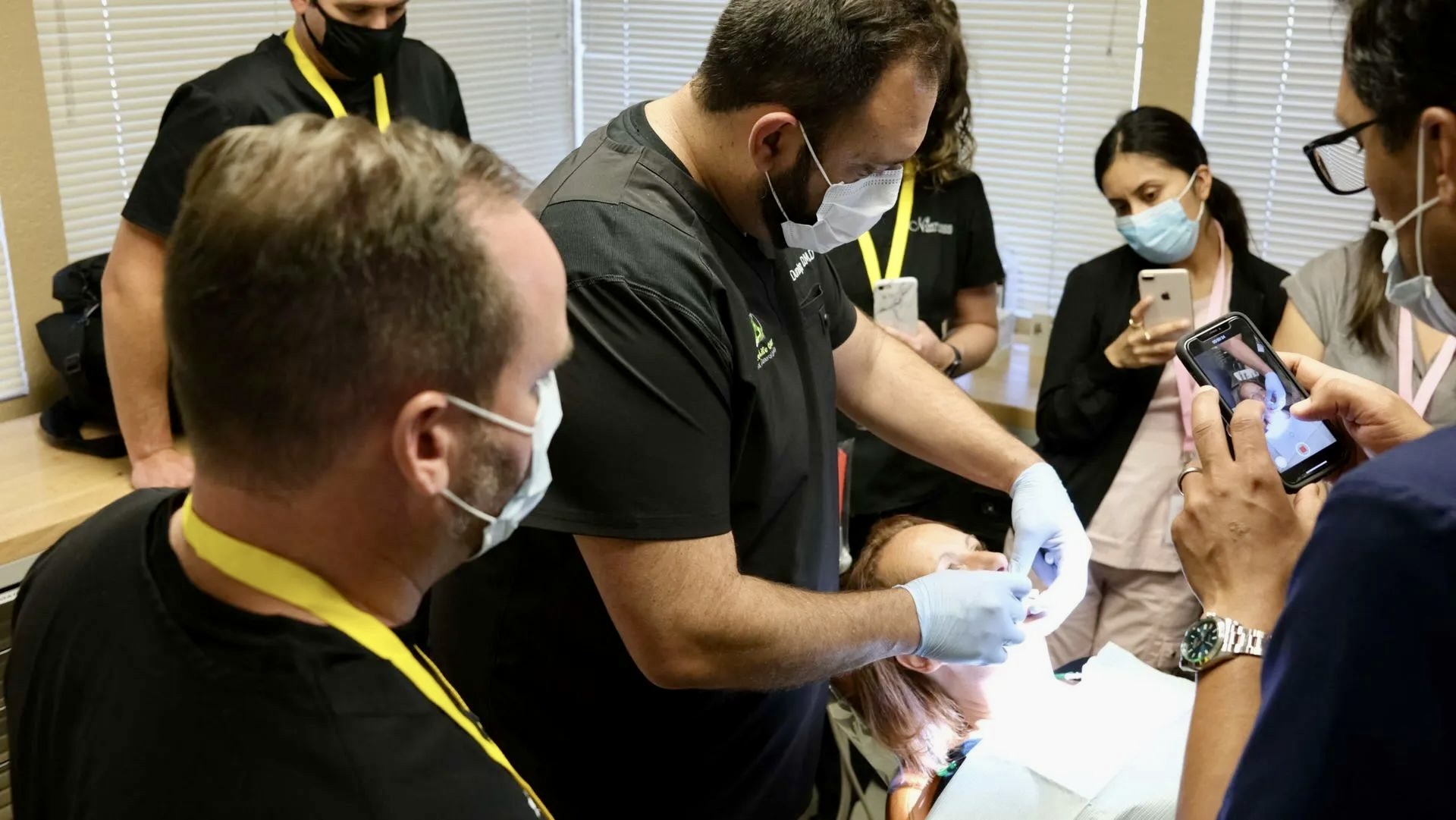
As lab technician Edward Slusser from The Villages, FL put it after attending, “It’s the best course I’ve been to.” Gus Khalil from Orlando, FL added, “If you’re thinking about going digital come and take this course!”
Conclusion: Building a Future-Proof Dental Lab Career
Completing a CODA-accredited dental lab technician program establishes CDT eligibility and the foundational skills required for entry-level lab work. In 2026, that foundation is necessary but not sufficient. The real career advantage, and the real protection against AI-driven displacement, comes from mastering the integrated digital full-arch workflow, including exocad design, immediate-load prosthetics, photogrammetry, and aesthetic finishing on zirconia and PMMA. Technicians who build those skills become the people labs and in-house practices cannot afford to lose.
Take the next step in your digital full-arch career with Full Arch Masters.
Frequently Asked Questions
What is the difference between a CODA-accredited program and CDT certification?
A CODA-accredited program is a postsecondary educational curriculum, typically a two-year Associate of Applied Science or a four-year Bachelor of Science, that meets the Commission on Dental Accreditation’s published standards for dental laboratory technology education. Completing one of these programs establishes eligibility to sit for the CDT (Certified Dental Technician) examination administered by the National Board for Certification in Dental Laboratory Technology. CDT certification is the credential itself, a voluntary, specialty-specific designation that signals professional competency to employers and clinical partners. The two steps follow a sequence: accredited education first, CDT examination second. Technicians without accredited education can still pursue CDT eligibility by documenting at least five years of full-time practical experience, but the accredited program route is faster and provides immediate examination eligibility upon graduation.
How does the Design and Finish Course at Full Arch Masters differ from a CODA-accredited program?
CODA-accredited programs are foundational, multi-semester curricula designed to prepare entry-level technicians for the full range of dental laboratory work and CDT eligibility. Full Arch Masters’ Design and Finish Course is an advanced, four-day specialization course built for technicians who already have foundational training and want to master the integrated digital full-arch workflow. The course covers exocad design for immediate-load and final zirconia prosthetics, photogrammetry-informed workflows, and hands-on aesthetic finishing on pre-sintered and post-sintered zirconia using MIYO ceramic layering, which are competencies that fall outside the scope of any standard accredited program. It does not replace foundational accreditation; it functions as the next step after it. Attendees are separated into beginner and advanced design tracks based on a pre-course survey, so the instruction is calibrated to actual skill level rather than a one-size-fits-all curriculum.
Will AI eliminate the need for dental lab technicians entirely?
Current evidence does not support total elimination of dental lab technicians. AI and CAD/CAM automation are displacing routine, repetitive bench tasks such as initial crown morphology proposals, model fabrication, and monolithic milling. Complex aesthetic work, implant prosthetics, and full-arch finishing still depend on trained human judgment. Current AI design tools require technician review and adjustment on the majority of cases and cannot account for patient-specific factors such as occlusal patterns, parafunction history, or aesthetic preferences. The more accurate framing is role transformation. The technician who survives and thrives in an AI-augmented lab oversees digital production systems, manages complex implant cases, and delivers the aesthetic finishing that automated tools cannot replicate. Technicians with exocad proficiency, photogrammetry literacy, and hands-on zirconia finishing skills sit at the protected, high-value end of the profession.
What salary can a dental lab technician expect in 2026?
Salary varies significantly by experience, specialization, employer type, and geography, with 2026 figures ranging from roughly $50,000 to over $93,000 annually. As discussed earlier in this article, the median sits around $49,610 according to BLS data, while independent aggregators report higher averages. Technicians with CAD/CAM and digital workflow skills command a measurable wage premium over bench-only technicians. In-house lab technicians working within high-volume implant practices, particularly those supporting full-arch workflows, tend to sit at the higher end of the range because of the complexity and value of the cases they support.
Can an in-house lab technician attend Full Arch Masters alongside the dentist they support?
Yes, and Full Arch Masters specifically encourages this team approach. The FAM Method is built around one team and one workflow, and the Design and Finish Course is structured so that in-house lab technicians can attend the Flagship Course alongside the dentist they support. When the clinical and lab sides of a practice train on the same workflow at the same time, the practice can operationalize the full-arch system on day one rather than spending weeks reconciling different training experiences. Lab technicians who attend the Flagship Course alongside their dentist also gain access to the same continued alumni community and KOL buying group as every other attendee, at no recurring cost. Team-member pricing is built into every Full Arch Masters course, which makes it practical to bring the whole practice.